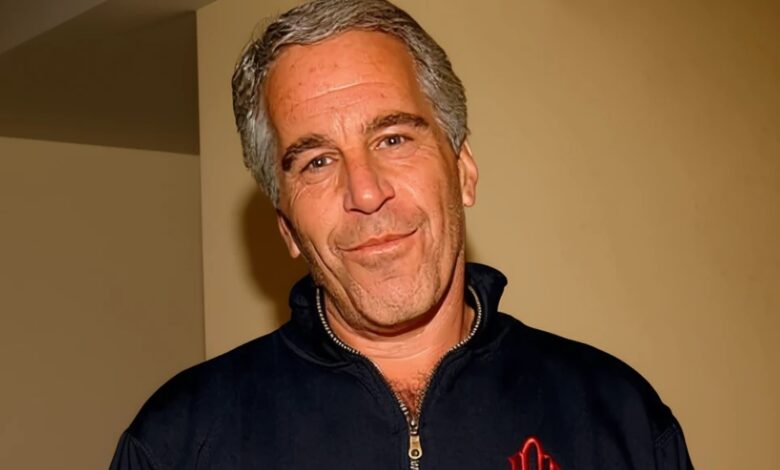
Spain is once again abuzz with a high-profile case involving attempts to reshape the image of the islands where crimes that shocked the world took place. At the center of attention is a Spanish architect approached by a prominent financier to discuss potential real estate investments amid an economic crisis. This news draws interest not only because of its international resonance, but also because it raises issues of reputation, trust, and the impact on the country’s image.
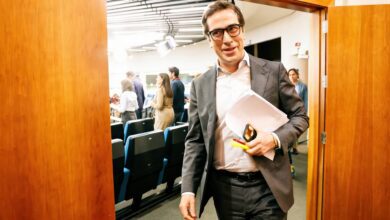
An architect from Murcia, Manuel Clavel Rojo, unexpectedly found himself involved in discussions about projects linked to islands previously known for numerous cases of violence and exploitation of minors. The financier, whose name has become synonymous with scandal, was seeking ways to renovate and reorganize his properties in an effort to change public perception of these places. During this period, he showed interest in the Spanish real estate market, considering investment opportunities in an unstable economic climate.
Connections and consequences
Recently uncovered archival materials shed light on the details of negotiations between the architect and the financier. The documents include photographs, correspondence, and references to plans for changing the architectural landscape of the islands. It is particularly notable that these discussions took place against the backdrop of already well-known allegations and legal proceedings, adding further sharpness to the situation.
The materials also reveal new information about contacts between the financier and members of the British aristocracy, once again raising questions about the scope of influence and the level of involvement of those concerned. For Spanish society, such news prompts discussions on the transparency of business relationships and ethical standards in the investment sector.
The Spanish connection
The involvement of a Spanish architect in negotiations with an individual whose reputation was shattered by a series of high-profile scandals elicits a mixed response. On one hand, these are professional consultations regarding real estate matters; on the other, it reflects an attempt to change the image of places associated with tragic events. The extent to which decisions were made consciously and how well-informed the participants were remains an open question.
For Murcia and all of Spain, such stories serve as a reminder of how international events can unexpectedly affect local professionals and businesses. In the era of globalization, the line between personal responsibility and professional duty is becoming increasingly blurred.
Archives and new facts
The release of archival data brings the discussion about the actions of the financier and his circle back into focus. New photographs and reports involving British aristocrats highlight the complexity and many layers of this story. For Spanish experts and the public, it is important to understand how such connections may affect the reputation of the country and certain of its representatives.
In recent years, Spain has repeatedly seen local specialists caught up in international scandals related to investments, real estate, or reputational risks. Each case draws close attention as it raises issues of trust, transparency, and ethics within the business community.
Looking back at recent events, similar stories involving Spanish architects and investors have already been discussed in the media. For instance, in 2024, there were cases where Spanish experts advised foreign clients whose activities raised concerns among law enforcement agencies. Such situations highlight the importance of professional caution and the need for thorough due diligence on potential partners, especially in a volatile economic climate and with the growing number of international deals.