The traditional system of media financing in Spain may soon undergo significant changes. The country’s authorities plan to introduce strict restrictions on the share of revenue that media outlets can receive from government advertising campaigns. This decision is driven by the need to reduce editorial economic dependence on public funds and to boost transparency in media ownership structures. For many Spaniards, these changes may signal a reduction in political influence over the media landscape and an increase in trust toward news coverage.
Restrictions and new requirements
According to El Pais, the draft law proposes two key changes. First, all media groups, regardless of size, will be required to disclose information about their owners. Second, no outlet will be allowed to receive more than 35% of its revenue from advertising paid for by government entities. This measure aims to prevent situations where certain media exist almost exclusively on public funds without a significant audience or private advertisers.
A stricter limit of 30% was previously discussed, but after revisions, the threshold was raised to 35%. According to government estimates, major and well-known newsrooms will not be affected, since their income from state advertising usually does not exceed the established limit. However, for a number of smaller publications, which, according to authorities, are often used as instruments of influence by certain political forces, the new rules could be critical.
Reaction and possible consequences
The introduction of such restrictions has sparked intense debate among media representatives and politicians. Some parties, including PP and Vox, have already voiced their opposition to the initiative, calling it an attempt at censorship and a threat to freedom of speech. At the same time, the government emphasizes that the bill complies with European standards, enshrined in recent EU decisions, and aims to protect citizens from manipulation and the spread of false information.
Particular attention is being paid to the specifics of the future regulation. Authorities do not rule out that some administrations may try to circumvent the ban by using subsidiaries or affiliated structures to place advertising. Therefore, the final text of the law will be refined, taking into account public consultations and expert feedback. As El Pais reports, discussion of the details may drag on, and adoption of the law is complicated by the political situation in parliament.
Context and European experience
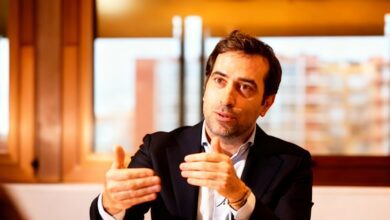
The Minister for Digital Transformation, Óscar López, has been appointed as the official responsible for preparing the reform. He oversees not only issues of media transparency but also the fight against disinformation, fake news, and abuses involving artificial intelligence. In recent months, these topics have been actively discussed at international forums, including the Artificial Intelligence Summit in New Delhi, where the Spanish delegation raised questions regarding digital environment regulation.
As part of a broader reform, the authorities are also considering tightening regulations for social networks, restricting access for minors, and introducing liability for distributing fake materials, including so-called deep fakes. According to El Pais, the government believes that without clear rules, the media market becomes vulnerable to manipulation, and trust in the news declines.
Political challenges
The implementation of the new rules is complicated by political opposition. The key parliamentary votes belong to Junts, which refuses to support government initiatives and is not open to negotiations. As a result, the chances of quickly passing the law remain low, especially given that the opposition actively defends the interests of small publications that receive a significant portion of their income from state advertising.
In recent years, Spain has already made attempts to limit the influence of state funding on the media, but none have led to such sweeping changes. The situation has now escalated amid a rise in publications showing signs of disinformation and increased political polarization in society.
Similar laws are already in effect or under discussion in other European countries. For instance, in Germany and France, authorities are also working to increase media transparency and curb their dependence on public funds. In Spain, this issue has become particularly pressing due to the high share of state advertising in the revenues of several outlets and ongoing debates over political influence on editorial policy.