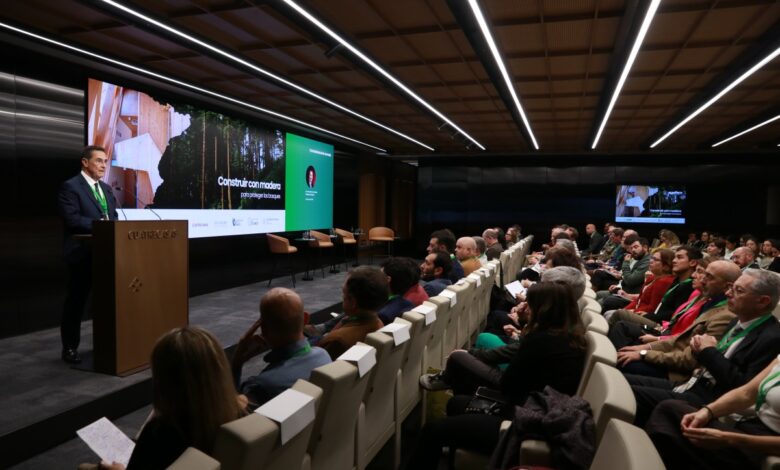
Professionals seek new solutions for forests and rural villages
An unusual meeting took place in Madrid: more than 150 specialists from the forestry and construction sectors, as well as representatives of government agencies and environmental organizations, gathered to discuss a surprising question—how wood could change the fate of Spain’s forests and small towns. The event’s organizers are convinced that by rethinking the use of forest resources, it is possible not only to reduce carbon emissions but also to breathe new life into dying villages.
With the Spanish construction sector required to achieve carbon neutrality by 2050, participants suggested that wood should be considered on an equal footing with concrete and steel. In their view, this approach is not just environmentally friendly but also economically advantageous for regions suffering from population decline.
Wood as a tool against fire and depopulation
Experts point out that active forest management and the development of a wood-processing industry can reduce the risk of large-scale wildfires, which destroy thousands of hectares every year. Increased demand for certified timber, they say, could drive economic growth in rural areas and strengthen the ecological functions of forests.
Special emphasis was placed on the need to update educational programs for architects and engineers. According to participants, without up-to-date knowledge of timber construction, it is impossible to unlock the full potential of this material. They also believe that only close collaboration between the government and private sector will enable the adoption of sustainable practices in forestry and construction.
Forgotten Forests and New Regional Opportunities
This year, Spain once again faced devastating wildfires. Experts stress that many forests lack proper management, worsening the problem. They propose using timber to build modern, affordable homes, which would not only reduce fire risks but also help revive abandoned rural communities.
According to those at the meeting, industrial wood processing and timber construction could drive job creation and infrastructure development in regions where traditional industries have declined. They see this approach as a way to both protect the environment and open new prospects for young families and the middle class.
Looking Ahead: Forests as a Resource and an Opportunity for Spain
The discussion brought together representatives from various ministries, regional authorities, and major companies. They all agreed: if Spain harnesses the potential of its forests wisely, it could not only reduce the risks of devastating wildfires but also offer new solutions to the rural housing crisis.
In conclusion, participants called for a comprehensive approach: combining planned timber harvesting with modern construction technologies to ensure sustainable development and protection of the country’s natural resources. According to them, this strategy could transform neglected forests into a source of economic growth and stability for future generations.