The escalating tensions between Spain and the leadership of the European Commission have sent an unexpected signal across Europe. At the heart of the dispute are disagreements over how to respond to the escalating conflict in Iran and the possible influence of US policies on European Union decisions. For Spaniards, this means not only political risks, but also a threat to economic stability and new challenges in migration management.
In recent weeks, dissatisfaction with Ursula von der Leyen’s actions has grown within the Spanish government. According to El Pais, Pedro Sánchez and the head of the European Commission previously maintained a working relationship despite party differences. However, von der Leyen’s growing closeness to far-right groups in Europe and her shift on climate goals have raised concerns in Madrid. The situation worsened after she spoke of the need to adapt to the new international reality being shaped by Donald Trump.
Disagreements within the EU
The Spanish government believes von der Leyen is being overly cautious with regard to the United States and is effectively supporting a course that benefits Washington. Foreign Minister José Manuel Albares has openly disagreed with the European Commission’s position, emphasizing that Europe must defend the international order rather than make concessions. In private conversations, members of the Spanish cabinet say the head of the European Commission should not yield to threats from the American president, especially on issues such as potential intervention in Greenland.
According to El Pais, Madrid was surprised when Von der Leyen openly declared the end of the era of multilateral order. Albares, having coordinated his position with Sánchez, stated that chaos could be the alternative to the international order, which is unacceptable for Europe. Spain also supported António Costa’s view, who called on the EU to uphold norms and rules in international relations. This put Madrid in opposition to the European Commission and heightened tensions within European institutions.
Summit preparations
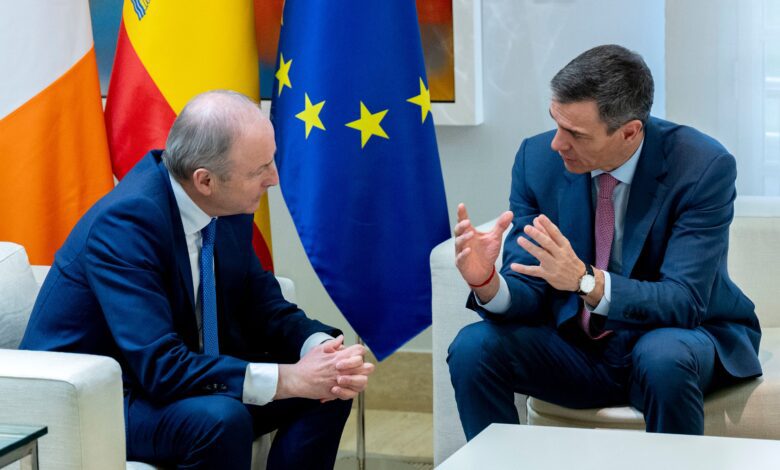
Ahead of the key European Council meeting, which was initially expected to focus on economic issues, the Spanish government stepped up its diplomatic efforts. Sánchez is holding talks with other EU leaders to build a coalition against US and Israeli military intervention in Iran. According to russpain.com, Madrid fears that a prolonged conflict will lead to new economic challenges and increased migration pressure, as was the case during the Syrian crisis.
Domestic political developments in Germany are also felt in Brussels. Chancellor Friedrich Merz, as El Pais notes, recently demonstrated his loyalty to Trump, which further irritated Madrid. Spanish and German diplomats have tried to ease tensions, but disagreements between the countries persist. Sánchez and Albares believe the EU now faces a moment when it must take an independent stance to avoid repeating past mistakes.
Impact on the future of the EU
In the coming days, Madrid hopes to convince as many European partners as possible to support a more independent course of action. Sánchez emphasizes that Europe must distinguish its traditional alliance with the US from the unpredictable steps of the current American administration. According to the Spanish government, concessions to Washington could cause the EU to lose influence on the global stage and set dangerous precedents for future crises, including possible conflicts around Cuba or Greenland.
Debates continue within the European Union over how to respond to external challenges. Some countries, like Italy, lean toward compromise, while Spain insists on more decisive actions. As El Pais reports, the EU’s final stance will be determined at the upcoming summit, where different approaches to security and international policy will collide. In this context, it is worth recalling that Spain recently experienced intense political debates over the country’s participation in international initiatives — for example, the discussion of changes in Extremadura’s regional policy was also marked by disputes about external influence and independent decision-making.
In recent years, the European Union has repeatedly faced internal disagreements over foreign policy. The crisis around Ukraine, debates on sanctions against Russia, and disputes over migration policy have shown that EU unity is often under threat. In 2024, discussion about the US role in European security has already sparked heated debates among member state leaders. Such situations highlight how difficult it is for the EU to develop a unified strategy amid external pressures and growing internal divisions.