Spain’s domestic political landscape is once again in the spotlight as left-wing parties attempt to unite ahead of the upcoming elections. The question of who will join the new coalition has become crucial for the future of the entire left-wing movement. The consequences of these decisions could affect not only politicians, but also millions of citizens, as they will impact social policy and resource allocation.
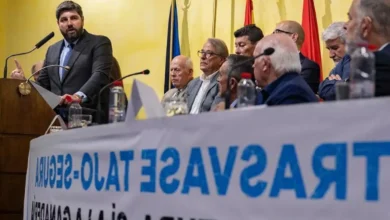
At a meeting organized by Nueva Economía Fórum, Izquierda Unida coordinator Antonio Maíllo emphasized the risks for those who do not support the new political platform. In his view, refusing to join the alliance could lead to long-term isolation and loss of political influence. This issue became particularly acute amid the reluctance of some parties, including Podemos, to join the unified project.
Responses and reactions
Maíllo’s position sparked reactions from other left-wing groups. Belarra’s party organization secretary, Pablo Fernández, pointed out that discussions often focus on personalities rather than objectives. Nevertheless, he acknowledged that the recent public interest shows a continued demand for a left-wing agenda in the country. According to El Pais, the new coalition’s organizers — Izquierda Unida, Más Madrid, Comunes, and Movimiento Sumar — are already planning public events in Andalusia and Catalonia to attract supporters and strengthen their local presence.
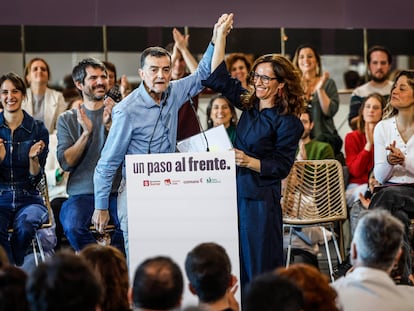
Last Saturday, around 600 supporters gathered at Madrid’s Círculo de Bellas Artes to discuss the prospects of a new alliance. The meeting served as a platform for exchanging views among representatives of various movements, including debates featuring Gabriel Rufián and Más Madrid deputy Emilio Delgado.
Questions of leadership
Maíllo, who is running for the post of Andalusia’s head of government with the Por Andalucía coalition (without Podemos and Teresa Rodríguez’s party), suggested postponing leadership discussions until the project takes on a clearer shape. He emphasized that the choice of a candidate should result from an open and democratic process, rather than backroom agreements. At the same time, Maíllo expressed respect for Labor Minister Yolanda Díaz, calling her one of the most effective figures in the ministry’s history.
In Maíllo’s view, over the past ten years, Spain’s left-wing parties have faced the consequences of overly dominant leaders whose failures weakened the entire movement. He recalled the importance of collective work and the need to avoid past mistakes to prevent a repeat of scenarios where internal conflicts lead to a loss of voter trust.
A new phase begins
The organizers of the new coalition view the recent event as the beginning of an irreversible process aimed at creating an open and appealing platform for all left-wing forces. Maíllo is convinced that only through unity can the left achieve real influence on national politics and counter the growing inequality fueling reactionary sentiments.
In the coming weeks, a series of meetings and presentations are planned across various regions to broaden support and engage new voter groups. According to El Pais, members of the alliance believe their success hinges on the ability to overcome internal differences and offer society a convincing alternative.
In recent years, Spain has already witnessed attempts by leftist parties to unite ahead of critical elections. For example, in 2023 the creation of the Sumar coalition enabled the left to secure additional seats in parliament, though internal disputes persisted. Similar trends have been observed in other European countries, where divisions among the left have led to diminished influence. Now, once again, Spain’s left faces a choice: unite for a common goal, or risk being sidelined in political life.