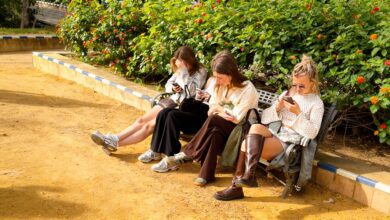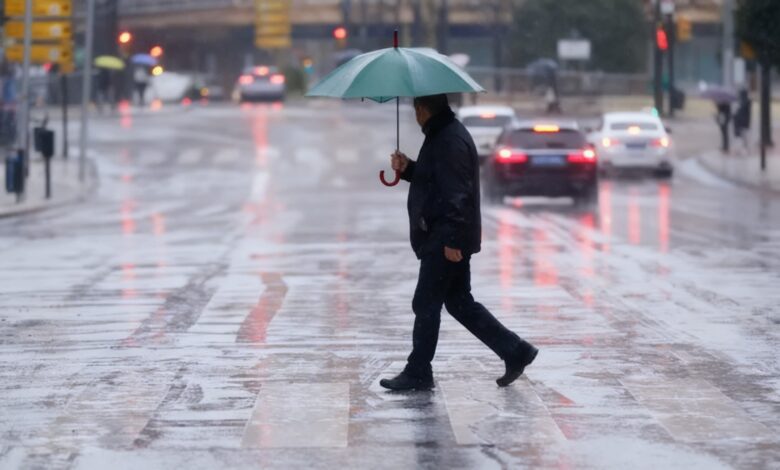
Sudden weather changes in the capital region of Spain are disrupting daily life for city residents. In recent days, people in Madrid have faced a series of weather surprises: pouring rain one moment, bright sunshine the next. Such conditions demand constant readiness to change clothes and plans, as even brief showers can affect transport and leisure.
According to the Agencia Estatal de Meteorología (Aemet), Thursday will bring a noticeable rise in daytime temperatures across the region, especially in the northern Sierra Norte and the eastern areas. In some districts in the southwest of the capital area, thermometers will climb to unusually high levels for this time of year. The morning will start cloudy, mostly with high clouds, giving way to clear skies or light haze by evening.
Brief light rain is possible in the western part of the region during the night and early morning, but no significant precipitation is forecast. Minimum temperatures will remain steady, while highs continue to rise. The wind will be mostly easterly and light, posing no major inconvenience for residents.
Temperature contrasts
Temperature readings will vary across cities in the autonomous community. In Madrid, the range will be from 11 to 28 degrees, in Alcalá de Henares and Aranjuez from 8 to 30, in Collado Villalba from 10 to 25, in Getafe from 10 to 28, and in Navalcarnero from 8 to 27 degrees. These fluctuations require special attention to clothing choices and planning outdoor activities.
Meteorologists warn that by Saturday, rain will return to the region, and next week is expected to be cloudy with daytime temperatures around 16 degrees. This could affect residents’ plans, especially on weekends, when many traditionally prefer to spend time outdoors or in parks.
Impact on daily life
Weather changes affect not only mood but also city infrastructure. Drivers and pedestrians must be more cautious due to slippery roads and sudden downpours. Owners of cafes and restaurants with outdoor terraces note fewer visitors on rainy days, while event organizers are forced to adjust their schedules.
At the same time, according to RUSSPAIN.COM, these weather swings become a frequent topic of discussion on social networks and city forums. Many residents share photos of unusual clouds and rainbows, as well as tips on choosing umbrellas and waterproof footwear. There is also increased interest in weather forecasts among tourists, who check the outlook in advance before visiting the capital.
Background and trends
Weather anomalies in Madrid are not uncommon during the spring season. In recent years, residents have already experienced similar situations, with heat, rain, and sharp cold snaps shifting within a single week. For example, last year these swings led to the cancellation of several major outdoor events and a rise in emergency service calls due to sudden downpours.
The impact of unstable spring weather is being felt not only in the capital, but also across other regions of Spain. According to Aemet, these phenomena are linked to global climate change and the specific patterns of air circulation over the Iberian Peninsula. In this context, the recent arrival of a Venezuelan politician, whose visit was discussed in meetings in Madrid, has also drawn attention — more on this event can be found in the article on the visit of the opposition leader from Venezuela.
Overall, spring in Madrid is traditionally characterized by a series of weather surprises. In 2024 and 2025, residents have become accustomed to experiencing both summer heat and cool, rainy spells in the span of a single week. Such shifts have become part of urban life, affecting transport, leisure, and the mood of city dwellers. In the coming days, meteorologists recommend keeping a close eye on forecast updates and being ready for fresh weather challenges.