Severe disruptions in Madrid’s transport system today affected thousands of residents and visitors to the capital. A burst water pipe on avenida de Logroño in the Barajas district caused major flooding, leading to the immediate closure of two key arteries—metro line 8 and the M-14 highway. The incident instantly complicated access to Adolfo Suárez Madrid-Barajas International Airport, resulting in delays and chaos at one of the country’s busiest transport hubs.
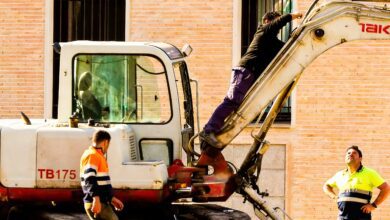
As a result of the accident, five fire brigades were urgently dispatched to the scene. They not only had to pump out water, but also carry out rescue operations: several drivers and employees found themselves trapped in vehicles and buildings affected by the flooding. Water seeped into residential buildings on avenida de Logroño, unsettling local residents and sparking concerns about property safety.
Transport standstill
Traffic on the M-14 came to a complete halt in the direction out of the airport, while the tunnel leading to Terminal T4 was closed. This caused long traffic jams and gridlock, exacerbated by the heavy rain that had not stopped since the night before. Drivers rushing to catch flights and airport staff were left stranded, and the situation on the roads quickly spiraled out of control.
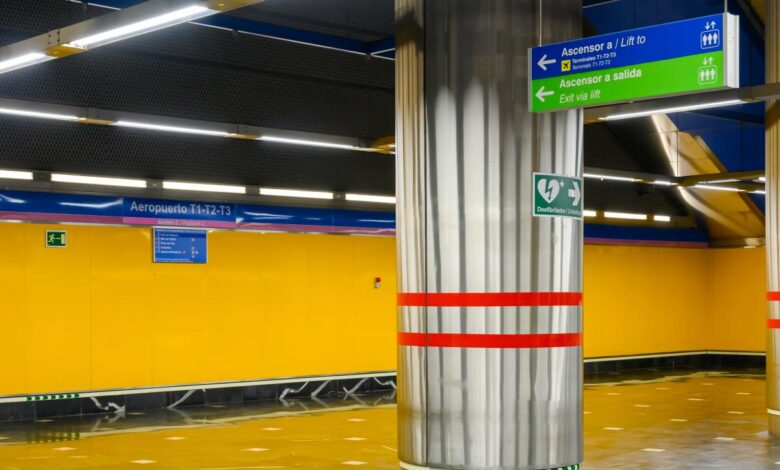
At the same time, metro line 8, which connects the city center with the airport, was suspended between the stations Aeropuerto T1-T2-T3, Barajas, and Aeropuerto T4. The halt in both directions left passengers without alternative ways to reach the terminals, sparking frustration and confusion among travelers.
Impact on residents and passengers
Many residents of the Barajas district experienced flooding of their homes and yards, with some forced to evacuate. Drivers caught in the flooded area had to wait for rescue crews, and public transport services were brought to a standstill. Passengers continued to accumulate at the airport, missing their flights due to the inability to reach the terminals on time.
Preliminary estimates suggest that dealing with the aftermath may take several hours, while restoring metro and road traffic could take even longer. City authorities have urged residents and visitors to avoid traveling to the airport area until the incident is fully resolved.
Response from services and forecasts
Emergency services are still working at the scene, pumping out water and assisting those affected. Social media reports mention delays and changes to flight schedules, as well as temporary detours around flooded areas. Metro and road operators are providing regular updates on recovery progress and estimated timelines for the resumption of services.
It is still unknown how long it will take to fully restore transportation links. Authorities promise to keep residents informed and urge everyone to remain calm despite the current challenges. Additional information regarding the extent of the damage and further recovery measures is expected in the coming hours.
Recalling recent transport crises in Spain, it’s clear that such incidents are not uncommon in major cities. Last year, Catalonia already faced a transportation collapse when railway service was only partially restored and buses were pushed to their limits. Passengers then also experienced delays and uncertainty, while authorities pledged a quick resolution. Read more about how the region managed a similar situation in our coverage Catalonia faces a transportation collapse as buses are overwhelmed.
In recent years, Madrid and other major cities in Spain have repeatedly been in the spotlight due to incidents at infrastructure facilities. Heavy rain surges, aging communications networks, and high loads on transport hubs have led to temporary suspensions and widespread delays. For example, in 2024, a similar case occurred in the south of the capital when a water main burst flooded several streets and halted tram traffic. The aftermath took nearly a day to resolve, and residents complained about a lack of information and various inconveniences. Such events highlight the vulnerability of urban infrastructure and the urgent need for its modernization to prevent similar situations in the future.