Changes in Puig’s leadership could impact the entire perfume and fashion industry in Spain. Major shifts in top management often signal to the market possible changes in a company’s strategy or priorities. For Spanish manufacturers and investors, such news sets new benchmarks and potential shifts in the business landscape.
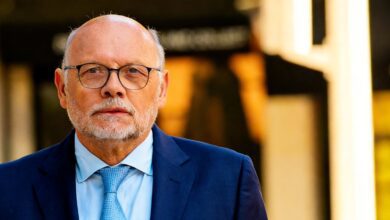
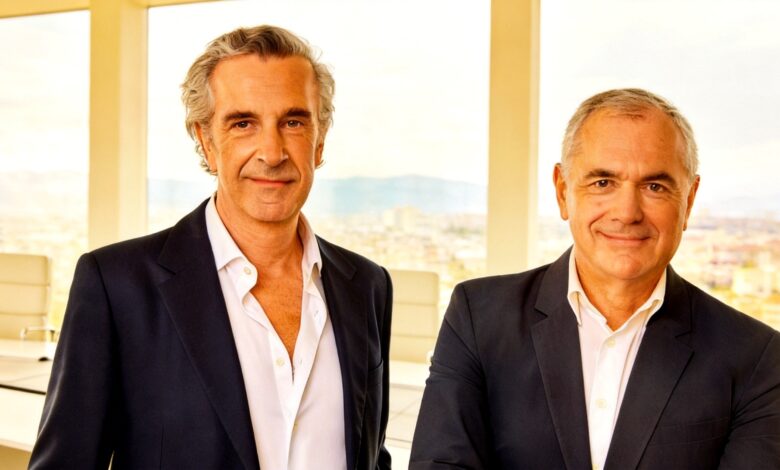
The Puig board of directors has appointed Jose Manuel Albesa as the new CEO. This decision follows Marc Puig stepping down as CEO while retaining his role as executive chairman. According to El Pais, the changes have been officially confirmed in a filing to the National Securities Market Commission (CNMV).
Additionally, the company has appointed a new CFO. Miquel Àngel Serra has replaced Joan Albiol, who will now serve as secretary outside the board of directors. According to El Pais, these moves reflect a focus on long-term growth and alignment with best practices for public companies.
Strategic shifts
Internal changes at Puig are taking place amid growing competition in the global perfume and cosmetics market. Spanish companies are increasingly required to adapt to new demands from investors and shareholders. Leadership changes may be aimed at improving management transparency and strengthening their position on the stock market.
Marc Puig will remain as executive chairman and continue to influence strategic decisions, but day-to-day management will now be handled by Jose Manuel Albesa. This approach separates oversight from daily leadership, in line with modern corporate governance standards.
The appointment of a new CFO may also indicate a review of the company’s financial policy. In a volatile economic environment in Europe, such changes often lead to updates in investment strategies and shifts in resource allocation priorities.
Market and expectations
For Spanish businesses, such management reshuffles spark discussions about the industry’s future development. Analysts note that changes in top management at major companies are often accompanied by shifts in corporate culture and approaches to staff management. This can impact partnerships and team dynamics within the organization.
In recent years, Spanish companies have actively adopted international management standards, which is reflected in their leadership structures. According to russpain.com, these steps help build investor trust and make companies more attractive on the global market.
In Puig’s case, a focus on long-term strategy and adherence to best practices could set an example for other players in the sector. Notably, the company emphasizes continuity and stability despite significant changes in its leadership team.
Context and trends
In recent years, Spain has seen a trend toward separating the roles of executive president and CEO in major companies. This approach has already been implemented in several well-known corporations, helping to improve management efficiency and reduce risks of conflicts of interest. Such decisions are often made after companies go public or during restructuring periods.
In 2025, similar personnel changes took place at one of Spain’s leading telecommunications companies, where the executive president retained strategic powers and operational management was handed over to a new CEO. Previously, in the banking sector, a change of chief financial officer was accompanied by an update to investment policy and the introduction of new reporting standards. These examples show that senior leadership changes are becoming part of modern corporate culture in Spain.