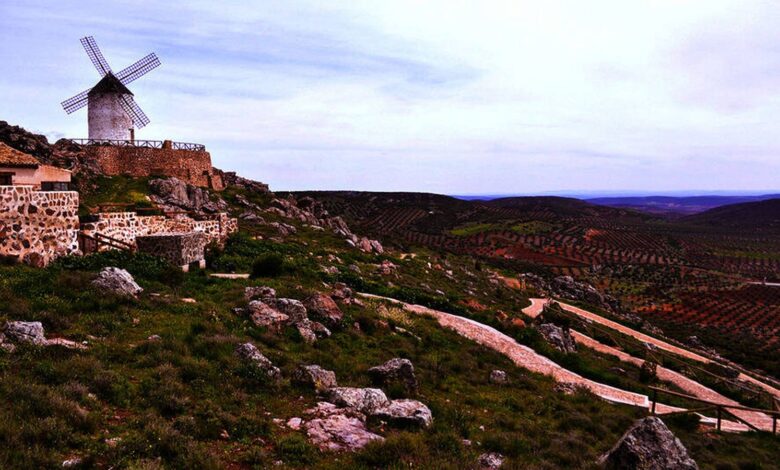
In the very heart of Spain, an exciting competition is underway to determine the most picturesque corner of the Castilla-La Mancha region. This year, the province of Toledo has put forward three unique towns for the public to judge, each vying for the prestigious title and the right to host the New Year’s festivities. These towns, each with their own character, embody the region’s rich heritage, deep-rooted traditions, and the distinctive spirit of rural Spain, drawing attention to their cultural and historical legacy.
Pelauztán: Masks and Echoes of the Reconquista
Nestled in the mountain range of Sierra de San Vicente lies Pelauztán, a town whose history is deeply intertwined with the era of the Reconquista. For centuries, this area served as a borderland, frequently raided and slow to develop. Today, however, the town is known for much more than its past. Locals have revived and carefully preserved a unique winter tradition—the riotous ‘moarraches’ masquerade. This vibrant and authentic ritual has become Pelauztán’s signature event, its main cultural treasure and a symbol of the enduring bond between generations, captivating lovers of genuine custom.
Los Yébenes: At the Crossroads of Eras and Cultures
Heading south to the Montes de Toledo region, we arrive in Los Yébenes. This town is like a living history book—you can read its pages just by strolling through its streets. Here, fragments of ancient Roman roads remain, alongside majestic fortresses that have witnessed the passing of civilizations and magnificent 16th-century churches. The temples of Santa María and San Juan Bautista are stunning examples of a unique blend of styles, mixing Mudéjar and late Gothic with Renaissance influences. Beyond its rich architectural heritage, Los Yébenes is deeply connected to hunting traditions, which, as locals say, are passed down from father to son and remain an integral part of the local culture.
Nombela: Far from the Seaside Bustle
The third locality representing the province is Nombela, known for its unique geographic distinction. Here lies the most inland spot on the entire Iberian Peninsula, the farthest point from the sea. Life here moves at a peaceful, unhurried pace, shaped by centuries-old agricultural traditions. The town’s deep connection to the land comes alive during the annual tractor ploughing contest held on Saint Isidore’s Day. Dominating the architectural landscape is the Church of the Assumption, with its Isabelline façade, base decorated with famous Talavera ceramics from 1567, and a monumental bell tower—all combining to give this remarkable place its distinctive character. Together, these three towns embody the richness and diversity of Toledo’s heartland.