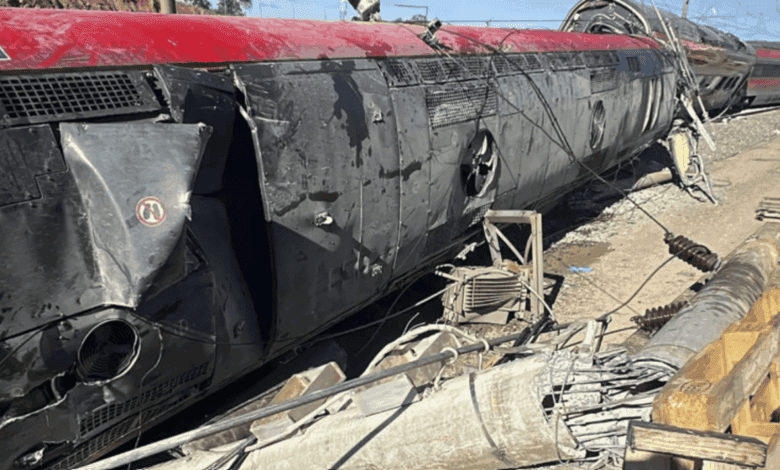
Sunday evening in Andalusia was overshadowed by a devastating disaster. A passenger train derailed on the high-speed line between Madrid and the south of the country, near Adamuz. What had seemed impossible just that morning became a national tragedy by nightfall. According to the latest reports, the death toll has reached 43, and unfortunately, that number may still rise.
The scene resembles a war zone: twisted railcars, scattered belongings, cries and sobbing. Dozens of rescue teams, firefighters, and medics are on site. Heavy machinery works non-stop—clearing debris, searching for survivors, and retrieving bodies. The air is thick with the smell of metal and smoke; above it all hangs an oppressive silence, broken only by the shouts of rescue workers.
Timeline of the disaster
The train running the Madrid–Andalusia route derailed at high speed. The causes of the accident have not yet been identified, but it is known that the section was technically challenging. In a matter of seconds, the railcars turned into a heap of twisted metal. Passengers inside experienced sheer terror: many were trapped, some suffered serious injuries. Panic broke out in the first moments after the crash, but within minutes emergency crews had arrived at the scene.
The victims include both adults and children. Medical teams report numerous serious injuries, and psychologists are providing support to the families of those killed and survivors. Hospitals in Córdoba and neighboring towns have declared a state of emergency. Authorities have set up hotlines for families unable to contact their loved ones.
Rescue operations
The rescue operation to clear the debris is ongoing without interruption. Additional resources have been deployed to the scene: heavy machinery, mobile hospitals, and volunteers. Every hour brings new updates—some tragic, others give reason for hope. Rescuers report that working conditions are extremely challenging: some train cars are severely deformed and difficult to access. Nevertheless, no one is giving up—the fight for lives continues.
Regional and national authorities are personally overseeing the situation. The leader of the autonomous community has arrived at the scene, along with representatives from the Ministry of Transport. Tension is palpable as everyone awaits official statements on the cause of the disaster, but for now, information is being gathered and technical data analyzed.
Public reaction
Shock and grief pour out on social media and in the streets of cities across Spain. People bring flowers to train stations, light candles, and express condolences to the families of the victims. Many are asking: how could this happen on one of Europe’s most advanced railway networks? There are no answers yet, but society is demanding transparency and a thorough investigation.
Psychological support is being provided not only to the victims but also to the rescuers, who face harrowing scenes every day. Authorities have promised assistance to everyone affected by the tragedy. Memorial events and nationwide moments of silence are expected in the coming days.
Investigation and recovery
While experts examine the crash site, the railway company is preparing a plan to restore service. Rebuilding the infrastructure will take time, but the main priority now is to determine the cause of the disaster. Witnesses are being questioned, footage from cameras and train technical data are being analyzed. The first official findings are expected in the coming days.
The tragedy in Adamuz has already gone down in history as one of the worst in the history of Spain’s railways. Safety concerns have once again come to the forefront, with the public demanding change. For now, the country is holding its breath, following news from Córdoba and hoping the death toll will not rise further.