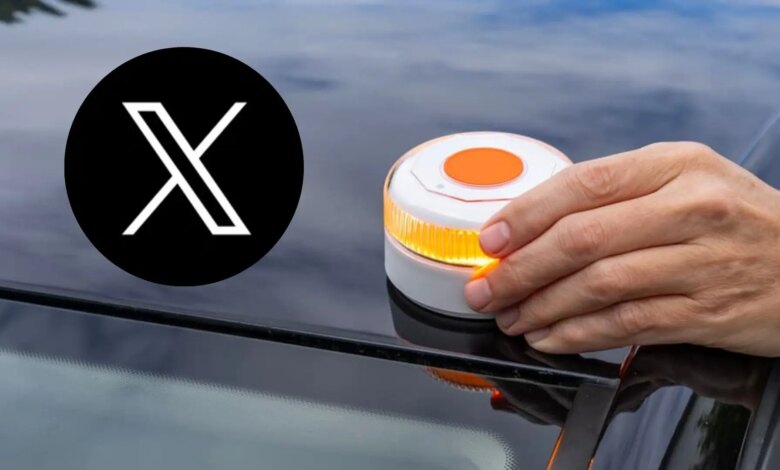
The introduction of new V16 emergency beacons, which will become the only permitted warning device for accidents on Spanish roads starting January 2026, has sparked a wave of criticism. Heated debates are unfolding on social media, and representatives of Guardia Civil associations are openly expressing their dissatisfaction with the upcoming changes. The more details emerge about the technical features and use of the V16, the more questions arise among motorists and experts.
Particular outrage stems from the fact that the requirement applies only to Spanish vehicles. Drivers from other countries will still be able to use the traditional warning triangles. Many see this as creating an uneven playing field and causing confusion among locals. Representatives of the Directorate-General for Traffic (DGT) explain that Spain is obliged to accept the devices used by foreign drivers, just as other countries recognize Spanish regulations. In practice, however, this means that different warning systems will coexist on the roads, which could lead to confusion among road users.
Arguments against
Associations of Guardia Civil officers, such as AUGC and Jusapol País Vasco, have been actively expressing their concerns online. They believe the introduction of the V16 beacon isn’t backed by real research. According to them, there is not a single official study proving that safety triangles are actually responsible for the rising number of pedestrian accidents during breakdowns. Despite the DGT’s claims of increased safety, there is no data confirming the effectiveness of the new beacons.
Experts also point out technical shortcomings of the V16. In poor visibility conditions—such as sharp bends or when cresting a hill—the warning light might simply go unnoticed by other drivers. DGT representatives acknowledge this flaw, but are relying on ‘virtual visibility’: thanks to the built-in data transmission system, information about the obstruction will be sent to the navigation systems of other vehicles. However, many remain skeptical about how well this technology will work in real-world situations.
Technical issues
Critics point out that the brightness levels of various V16 models differ greatly. Manufacturers often use the cheapest components, which affects light intensity. As a result, at night or in poor weather conditions, the beacon may not be sufficiently visible. There is also the question of whether introducing V16 is worthwhile when modern cars already come equipped with more advanced systems, such as eCall—an automatic emergency call system in the event of an accident. Many drivers prefer to use mobile apps or contact their insurance company directly, which is often quicker and more reliable.
Another contentious issue is the device’s power supply. These beacons run on batteries or lithium accumulators, which can run out at the worst possible moment. Unlike triangles, which require no power source, the V16 may fail in a critical situation. In addition, lithium batteries are prone to overheating, especially in summer, raising concerns about potential fires or even explosions. DGT representatives insist there are no serious risks, but admit that tests were not always conducted under extreme temperatures.
Information vacuum
Many drivers are still unaware of the imminent introduction of mandatory emergency beacons. According to DGT data, only 26,000 V16 alerts were recorded in October last year, most of which were test signals. This suggests that the vast majority of motorists have yet to purchase the new devices and are unprepared for the changes. Associations representing the Guardia Civil believe the authorities are not doing enough to inform the public about the new regulations, which could result in widespread fines and discontent during the first months after the law takes effect.
As an alternative, some experts suggest using free mobile apps that would allow drivers to quickly report a breakdown or accident. In their opinion, this approach would be more accessible and efficient than requiring everyone to buy a new device. However, for now, the authorities continue to insist on the mandatory use of the V16, despite numerous concerns and objections.
If you’re not familiar, the Jusapol País Vasco association is one of the most active organizations uniting police officers and Guardia Civil members in País Vasco. It regularly puts forward initiatives to improve working conditions and road safety, and it actively takes part in public discussions on transport policy. In recent years, Jusapol has become a prominent voice in debates on traffic reforms and the protection of law enforcement personnel rights.