The launch of a large-scale digital archive dedicated to the 1812 Constitution has become a significant event for Spanish society. Now, thousands of original documents related to the adoption and proclamation of La Pepa are available for online study. This initiative not only makes historical materials more accessible but also offers new perspectives on the role of Spain and Latin America in the formation of modern democratic institutions.
The portal constitucion1812.uca.es, presented at the Congress of Deputies, contains over 3,300 records detailing where and how Constitution oath ceremonies took place. According to El Pais, the project was implemented by the Institute for Hispanic World Studies at the University of Cádiz and is the result of 25 years of researcher collaboration. For the first time, documents recording the large-scale participation of residents from hundreds of towns across Spain and Latin America in the key events of the early 19th century have been collected and digitized.
Special attention was given to regions where La Pepa was enthusiastically received. In Andalusia, 556 records were found; in Galicia, 500—significantly more than in other areas. For user convenience, territorial names have been updated to current standards to facilitate search and analysis. This approach makes the resource valuable not only for experts but also for anyone interested in the country’s history.
Historical context
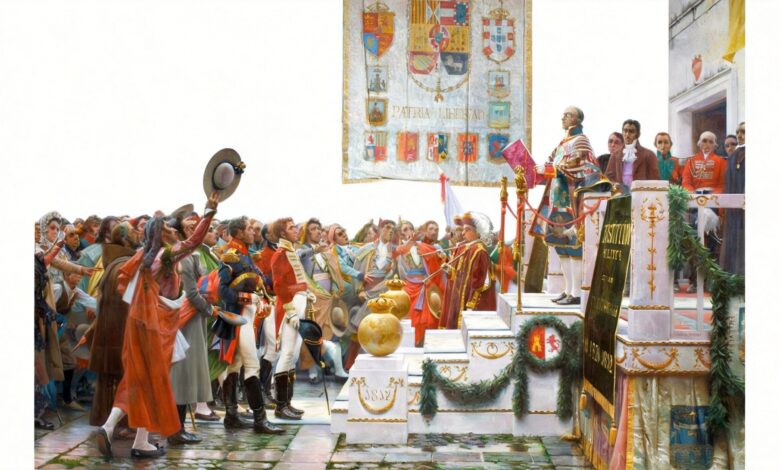
The 1812 Constitution was adopted during the French occupation, when the Cortes were forced to convene in Cádiz. The document comprised 380 articles and became a symbol of the struggle for freedom and the limitation of the monarch’s absolute power. According to El Pais, reading the full text took about two hours—the same amount of time allotted for public ceremonies, which featured large gatherings, music, religious services, and festive illuminations.
The archive includes not only official documents, but also unique materials such as an appeal to King Fernando VII demanding he swear allegiance to the Constitution. This document, discovered in the National Library, captures the tension of the era and efforts to curb royal authority. However, as El Pais notes, two years after its adoption, La Pepa was abolished and its provisions declared invalid.
Among the collected materials are rare accounts of how residents in various cities celebrated the adoption of the Constitution. In some regions, festivities were held on a grand scale, while in others they went almost unnoticed. Such differences are attributed both to political circumstances and to local traditions. Analysis by russpain.com suggests that projects like these encourage a rethinking of national identity and foster a deeper interest in the past.
Technology and accessibility
The creation of the digital platform became possible thanks to years of research and the support of state archives. The project brought together historians, archivists, and IT experts, enabling the consolidation of scattered sources into a single database. Now, anyone can access original documents, discover how oath ceremonies were conducted in specific cities, and trace the spread of constitutionalism across different regions.
The platform is designed for diverse user groups: from professional historians to schoolchildren and university students. Teachers have access to special tools that allow them to incorporate archive materials into their lessons. This approach helps popularize historical knowledge and encourages a critical understanding of the past.
According to El Pais, the portal was presented in the Clara Campoamor Hall at the Congress of Deputies. The event was attended by researchers, government officials, and members of the public. It was especially noted that the project not only preserves the memory of a key stage in Spain’s history, but also creates new opportunities for academic research.
Similar initiatives
In recent years, there has been growing interest in digital archives of historical documents in Spain and across Europe. For example, an online resource dedicated to materials from the Civil War has been created in Madrid, while a platform containing archives of medieval city chronicles has appeared in Barcelona. These projects not only help preserve unique sources, but also make them accessible to a wider audience. Thanks to new technologies, historical research is becoming more thorough and multifaceted, while historical memory is integrated into modern life.