Spanish medicine has come into the spotlight after Barcelona performed the world’s first partial face transplant from a donor who chose euthanasia. This event not only changed one woman’s fate but also opened new opportunities for patients facing the severe consequences of trauma or illness. For many Spaniards, it became a symbol of hope and an example of how modern technologies and human kindness can restore lost quality of life.
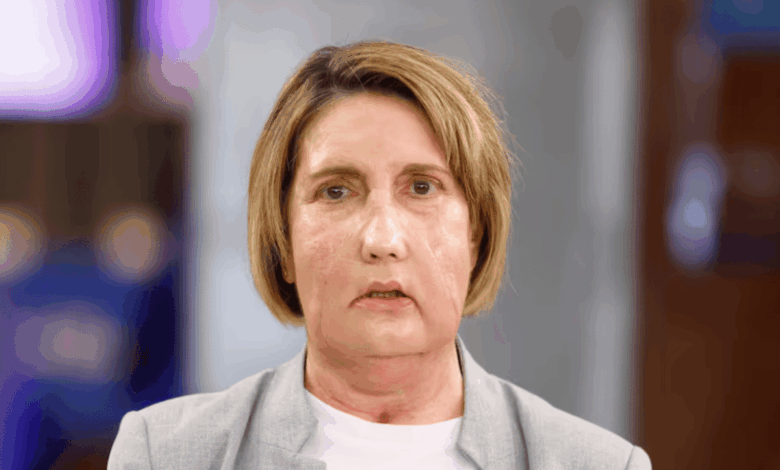
In July 2024, Carmen, a resident of Spain, found herself on the brink of life and death after being bitten by an insect while vacationing in the Canary Islands. The infection progressed rapidly, and in a short time she lost part of her face. She could no longer speak, eat, or even see normally. Carmen spent two and a half months in the hospital fighting for her life as doctors searched for a way out of what seemed like a hopeless situation.
An unusual donor
The solution came unexpectedly: the donor was a middle-aged woman in the terminal stage of illness who had opted for euthanasia. Before her passing, she expressed the wish to give others a chance at a new life by agreeing to donate her organs, including her face. Such a decision requires not only courage but remarkable generosity, as it involves the most recognizable part of a person’s appearance.
The operation was performed at Vall d’Hebron Hospital in Barcelona. Over one hundred specialists took part, and the procedure itself lasted 15 hours. Digital 3D models and custom surgical templates were used during preparation, allowing for precise matching of tissues and bones. Doctors worked under the challenging conditions of a controlled cardiac arrest in the donor, which added complexity and demanded maximum teamwork coordination.
Recovery and change
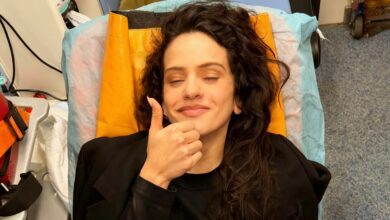
After surgery, Carmen spent just one month in the hospital—significantly less time than patients who had undergone similar procedures in the past. Within a few weeks, she was able to eat, drink, and speak on her own. Gradually, sensitivity is returning to the transplanted area, while daily exercises and strict medication regimens help prevent tissue rejection.
A special role in the success of the operation was played by Dr. Joan Pere Barret, head of the Department of Plastic Surgery and Burns Treatment. The patient calls him her guardian angel and openly expresses gratitude to the entire team. Carmen is confident she will have fully regained her normal lifestyle by the anniversary of her transplant.
A medical breakthrough
This case became not only a personal triumph for Carmen but also a significant milestone for Spanish medicine. Vall d’Hebron is one of the few centers worldwide with experience conducting the most complex facial transplants. Thanks to new technologies and an interdisciplinary approach, doctors were able to shorten rehabilitation times and increase the chances of successful tissue integration.
Spain has long been a leader in organ transplants, but face transplantation remains a rare and complex procedure. Now, after a successful case with a donor who passed away by their own choice, new opportunities are emerging for the development of transplant medicine and for helping those in desperate situations.
Context and experience
In recent years, Europe and the US have seen an increase in face transplant surgeries, but cases involving donors after euthanasia are extremely rare. In 2022, France discussed a similar case, but the transplant did not take place due to medical restrictions. In Spain, thanks to legislative progress and public support, doctors were able to implement such a project. Each case like this sparks debate over ethical and legal issues and brings hope to those facing difficult life circumstances.