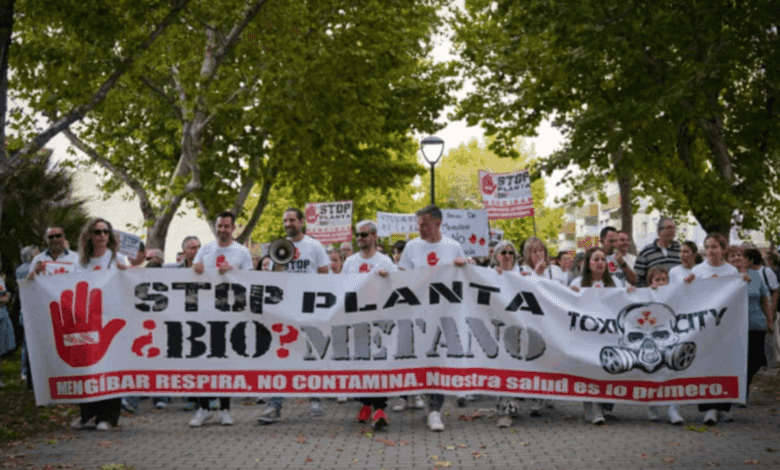
A heated debate has erupted in the province of Jaén in southern Spain over plans to build twenty new biogas and biomethane plants. This past weekend, more than three thousand people took to the streets in Mengíbar to voice their discontent over the proposed facilities near their homes. Protesters are demanding a review of the region’s development strategy, citing concerns over residents’ quality of life and health.
Andalusian authorities and representatives of the agricultural sector, on the other hand, see the introduction of biogas technology as an important step toward sustainable development. In their view, these plants will not only help solve the problem of disposing of olive production waste, but also give a fresh boost to the province’s economy. The plan is for the factories to process tens of thousands of tons of olive by-products and other agricultural waste, turning them into renewable gas for energy needs.
However, residents of Mengíbar and other towns—including Las Infantas, Villanueva del Arzobispo, Campillos, Vilches, Alcalá la Real, Guarromán, and Andújar—have voiced serious concerns about potential risks to the environment and public health. They worry about the proximity of the plants to residential neighborhoods, possible air and water pollution, and threats to local ecosystems. Municipalities, regardless of political affiliation, are demanding transparency from regional authorities and strict compliance with environmental standards.
Economy vs. Environment: Arguments from Both Sides
Companies backing the projects claim that modern technologies completely eliminate harmful emissions and unpleasant odors. They emphasize that biomethane will be supplied directly into the gas network, and production waste will be used as fertilizer. According to estimates, every ton of olive oil leaves behind four tons of pomace, which will serve as the main resource for the new enterprises.
Supporters of the construction believe that such facilities will help solve the long-standing problem of disposing of agricultural waste, while also generating additional income for cooperatives and farmers. Some municipalities have already announced major investments in infrastructure development, which, according to local authorities, should ease social tensions and create jobs.
Skepticism and Concerns: The Perspective of Environmentalists and Residents
Despite investors’ promises, part of the population and environmental organizations remain critical. They point to experiences in other regions where large biogas complexes have led to soil and water pollution, as well as more accidents and fires. In their view, the scale of the projects in Eáen could worsen the existing environmental problems, while the economic benefits for locals would be minimal.
Experts point out that while many small biogas plants operate across Europe, similar facilities in Spain are often designed on a much larger scale, increasing risks for both the environment and local communities. In response to criticism, authorities have pledged to tighten oversight of all regulations and requirements, as well as to keep citizens informed about the potential benefits and downsides of these new technologies.
The region’s future: compromise or confrontation
For now, tensions remain high in Jaén. On one hand, the region needs new economic incentives and waste management solutions. On the other, residents are demanding guarantees for their safety and the preservation of their way of life. Whether authorities, businesses, and society can reach a compromise is still an open question. One thing is clear: the fate of the olive groves and future biogas plants will be decided not only in boardrooms, but also on the streets of Andalusian towns.