A diplomatic intrigue is unfolding in Madrid, one that could shift the balance of power in North Africa and affect Spain’s interests. The United States has chosen the Spanish capital as the venue to revive dialogue on Western Sahara, highlighting Spain’s importance in international negotiations. The meeting is set to be a pivotal moment for the region, with not only the fate of a former Spanish colony at stake but also the stability of Europe’s southern borders.
On Sunday, the foreign ministers of Morocco, Algeria, Mauritania, and a representative of the Polisario Front will gather at the US Embassy in Madrid. This format of negotiations hasn’t been held since 1975, when Morocco organized the Green March and forced Spain out of the Sahara. Decades later, it is once again Madrid that is hosting talks about the region’s future, which remains a source of dispute and tension.
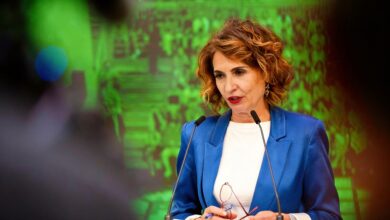
Spain’s foreign ministry has officially confirmed that Foreign Minister José Manuel Albares will hold separate meetings with his counterparts from Algeria and Mauritania. However, the details of the multilateral meeting remain confidential, fueling even more interest in the event. UN representatives and senior American diplomats are also expected to participate in the talks, underscoring the seriousness of the organizers’ intentions.
Pressure and anticipation
The United States is ramping up diplomatic pressure on the parties involved in the conflict, aiming to break the deadlock of a long-standing dispute. At the heart of the discussions lies a UN Security Council resolution adopted in October, which for the first time openly calls autonomy the most realistic solution. This document has become the starting point for new negotiations, and it is the foundation of Washington’s strategy.
Among the invitees are the UN’s special representative for Western Sahara, Staffan de Mistura, as well as meeting coordinator Masad Bulos and US Ambassador to the UN Michael Waltz. The lineup of participants underscores the international scale of the event and shows that the issue of Western Sahara is once again taking center stage in world capitals.
The European Union also clarified its position last week: the autonomy plan proposed by Morocco is being considered as the basis for a political solution. Consultations were held in Brussels with the participation of the EU’s chief diplomat Kaja Kallas and Morocco’s foreign minister Nasser Bourita. This indicates that Europe is ready to support a compromise if one is reached.
In search of an autonomy formula
Morocco, seeking to convince the international community of the viability of its initiative, has updated the autonomy plan first introduced in 2007. According to diplomats, the new version of the document is ten times longer and provides for a referendum among the inhabitants of the Sahara. The country’s authorities studied the European experience, including the French overseas territories and British autonomies, and closely followed the Spanish model, especially Catalonia.
Despite the formal expansion of powers, key areas—security, foreign policy, defense, and religion—remain under the control of the central government and the monarch. Autonomy applies only to local matters such as taxation, infrastructure, education, healthcare, environmental protection, and the preservation of cultural heritage. The plan also includes the creation of a local police force and support for the Hassaniya language, which is distinctive to the region.
Moroccan Foreign Minister Bourita emphasizes that autonomy is, in essence, the implementation of the right to self-determination. However, critics point out that actual decentralization in the country remains limited, with most decisions still made in Rabat.
Position of Polisario and Algeria
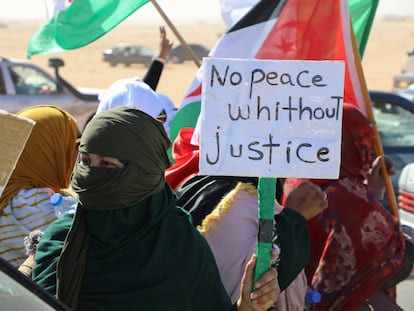
The Polisario Front, backed by Algeria, insists on holding an independence referendum, believing that only the people of the Sahara have the right to decide their own fate. The movement’s leader, Brahim Ghali, recently expressed readiness for dialogue and cooperation with international mediators, but stressed that the final decision must rest with the region’s inhabitants. Algeria, for its part, continues to offer refuge to thousands of Sahrawi refugees and supports the idea of self-determination for the former Spanish colony.
Amid overlapping interests of major powers and regional players, any agreement could set a precedent for other conflicts on the African continent. Spain, at the center of these developments, is forced to balance between historical responsibility and current geopolitical realities.
In the coming days, attention will be focused on Madrid, where not only the fate of Western Sahara is being decided, but a new approach is being shaped to address protracted regional conflicts. The outcome of the meeting may influence relations between the EU, North Africa, and the US, as well as set the tone for future negotiations over other disputed territories.
In recent years, international efforts to resolve conflicts in North Africa have intensified noticeably. In 2023, similar negotiations over Libya were mediated by the UN and EU, yet a lasting peace has not been reached. In 2024, security issues in the Sahel were discussed in Algeria, a region where global powers’ interests also intersect. Spain has traditionally played the role of mediator in such processes, drawing on its regional experience and connections. These meetings are gaining increasing significance amid rising instability and mounting migration pressure on Europe.