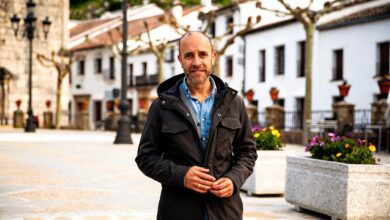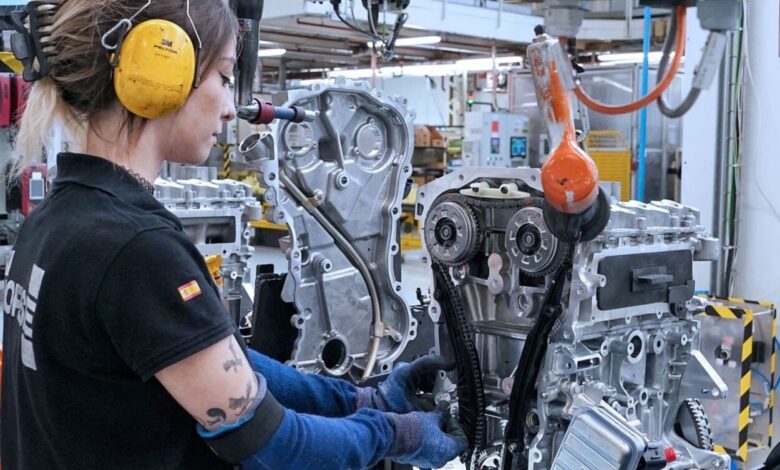
In Valladolid, the automotive industry is at a pivotal moment. European authorities have eased requirements for the transition to electric vehicles, providing much-needed relief to local businesses and thousands of families whose livelihoods depend on the city’s factories. Mayor Jesús Julio Carnero openly expresses his satisfaction: these changes have arrived just as the region is launching major projects to introduce new technologies in the automotive sector.
In recent months, Valladolid has seen several major investment proposals. Chinese company Gotion plans to build a massive battery manufacturing plant here, while Horse has already announced a €71 million investment to develop hybrid systems at its facility. Regional authorities have declared this project a priority to safeguard more than 9,000 jobs, with nearly 2,300 at the plant itself and the rest in related industries.
Investment and jobs
The European Union’s decision to relax environmental requirements from 2035 followed lengthy discussions. Valladolid officials had insisted from the outset on a flexible approach to prevent mass layoffs and the erosion of industrial potential. In September, the city took the initiative to support competitive climate neutrality in the automotive sector, and this approach has now received endorsement at the European level.
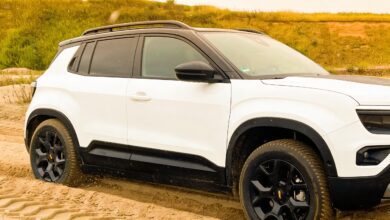
In the coming years, not only electric vehicles but also other low-emission technologies will develop in Valladolid: hybrid engines, hydrogen, biofuels, and synthetic fuels. This will preserve market diversity, offer consumers more choices, and give businesses time to adapt.
Industrial potential
The automotive industry is key to the economy of Castilla y León. It accounts for 10% of the region’s GDP and half of its exports. In addition to Valladolid, major car plants operate in Burgos and Ávila. In recent years, the region has actively attracted investments, including from Germany, where demand for Spanish cars and components is rising.
Renault’s Valladolid facility has already started producing new models, including hybrid versions. A new car rolls off the production line every minute, and expansion plans focus on further introducing eco-friendly technologies. Regional authorities have extended Renault’s priority investment project status through 2026 to support modernization and jobs.
Policy and competition
European Parliament member Raúl de la Hoz attended the meeting with auto industry representatives, noting that European decisions are opening new opportunities for the sector. He said previous strict requirements could have triggered a crisis and hurt competitiveness, but now companies have a chance for a smoother transition to new standards.
At the same time, disagreements persist in Spain between the central government and regional authorities. Madrid continues to push for a complete ban on internal combustion engines by 2035, while regional governments and industry leaders are calling for a more flexible approach. Valladolid and Castilla y León advocate for protecting jobs and industrial capacity without giving up on environmental goals.
The Future of the Automotive Industry
The easing of European requirements has served as a call to action for Valladolid. New investments in hybrid technology development have already been approved, and battery production and plant modernization projects have been granted priority status. This will not only support jobs but also enable the region to maintain its leading position in the Spanish and European automotive sectors.
In the coming years, Valladolid will become one of the key sites for testing new technological solutions in the automotive industry. Here, traditional manufacturing facilities will be combined with innovative approaches to reducing emissions, giving the city and region a chance for sustainable development in a changing market.