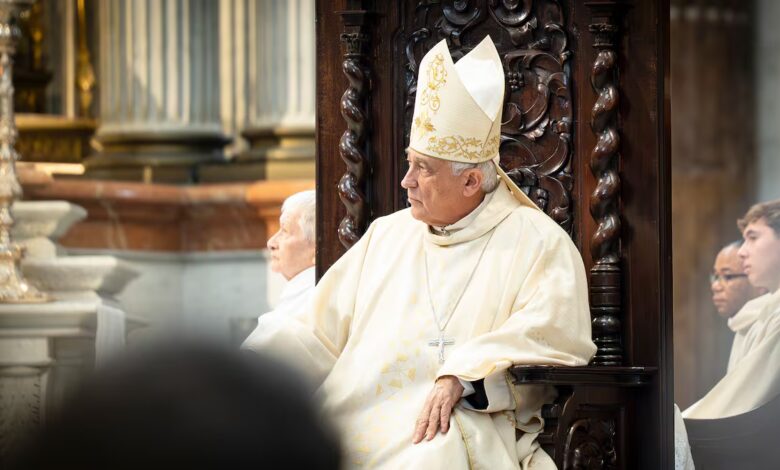
The Vatican has launched a canonical investigation into Rafael Zornoza, head of the Diocese of Cádiz and Ceuta, who is accused of sexually assaulting a minor in the early 1990s while he was a priest and led a seminary in Madrid. Although criminal prosecution is no longer possible due to the statute of limitations, church authorities received a complaint from the alleged victim last summer. Afterward, the Holy See found the allegations to be credible and ordered an investigation.
However, despite the seriousness of the accusations, Zornoza remains in his position and still has access to minors. Four months have passed since the complaint was filed, yet no restrictive measures have been taken against him. This has drawn criticism from canon law experts, who note that in similar cases, the suspect is usually at least temporarily suspended from duty to prevent possible new incidents and to protect witnesses.
Church response and lack of action
In recent years, the Vatican has repeatedly emphasized the need for swift action in response to such allegations. In particular, a recent report by the Pontifical Commission for the Protection of Minors highlighted the importance of quickly suspending suspected clergy members. Nevertheless, no action has been taken in the case of the Bishop of Cádiz. Moreover, he continues to participate in the work of the episcopal commission on missions and cooperation with other churches.
Sornosa himself denied the accusations and temporarily suspended his public activities, citing the need to clarify the situation and health problems. However, he was not officially banned from contact with children, and the Spanish Episcopal Conference did not initiate his suspension, citing a lack of authority and shifting responsibility to the Vatican and church courts.
Comparison with other cases and details of the accusations
The situation with Sornosa stands in stark contrast to recent cases where priests were suspended from ministry within weeks after allegations surfaced. In a similar case involving one of the Jesuits, a suspension was decided in just two months. In the case of the Bishop of Cádiz, four months have already passed, and he still holds all his positions.
The complaint filed with the Vatican alleges not only sexual harassment, but also mentions abuse of trust during confession. The victim claims that confession was used as a tool for psychological pressure and manipulation. Canon law imposes particularly severe penalties for such actions, up to and including defrocking.
Questions for the church system and next steps
Although Sornosa had already reached the age at which, under church rules, he should have submitted his resignation, he was kept in his post. In such cases, the Pope usually accepts the resignation without delay, especially when there are serious allegations involved. However, even here, the decision has been postponed.
The Vatican explains the lack of restrictive measures by stating it is awaiting the completion of the preliminary investigation. In each case, they say, decisions are made individually. Meanwhile, the investigation has been handed over to the church court, which must deliver its verdict. For now, the bishop continues to perform his duties, leaving many observers puzzled and raising fresh questions about the transparency and effectiveness of church procedures in such matters.