The election race in Extremadura is coming to a close: with just days left until voting, the region’s political climate is reaching its peak. This year’s elections are being held early—just two years after the previous ones—catching many residents by surprise. The early call was prompted by the failure to pass next year’s budget, leading regional leader María Guardiola to dissolve the parliament.
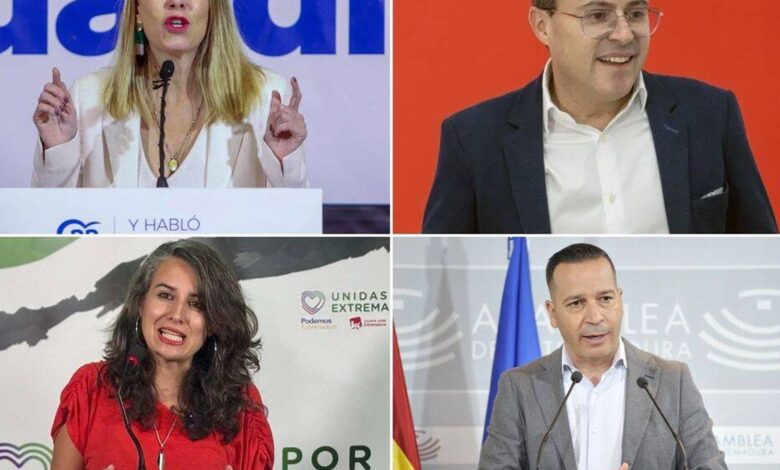
All eyes are on the upcoming debate between the main candidates for president of the Junta de Extremadura. This time, the studio will see representatives from PSOE, Vox, and Unidas por Extremadura—Miguel Ángel Gallardo, Óscar Fernández Calle, and Irene de Miguel—face off. However, incumbent president and PP leader María Guardiola declined to take part, sparking heated discussion among politicians and voters. Her attempt to send another party representative was rejected by her rivals, and Guardiola herself cited a lack of trust in the debate organizers.
Format and topics
The debates will center around three key issues that matter most to residents: the economic situation, social policy, and possible post-election coalitions. Each participant will have the opportunity to present their viewpoints and propose solutions to pressing concerns. The format includes 75 minutes of live discussion, allowing viewers to compare party positions and make an informed choice at the polls.
Organizers promise a dynamic and engaging broadcast, leaving no room for formalities. The moderator — renowned journalist Xabier Fortes — intends to keep the discussion on track while giving candidates the chance to open up. The conversation is expected to move beyond policy proposals, delving into the personal qualities of the contenders, their willingness to compromise, and their leadership abilities.
Where to watch
For the first time in the region’s history, the debates will be broadcast by the national public broadcaster RTVE. The live transmission will start on December 18 at 9:45 pm local time, right after the evening news. The event will air on the La 1 channel in Extremadura, as well as the national and international channels Canal 24 Horas. For radio listeners, the debates will also be available on Radio 5. Additionally, the debate can be watched online through the RTVE Play platform and the official RTVE.es website.
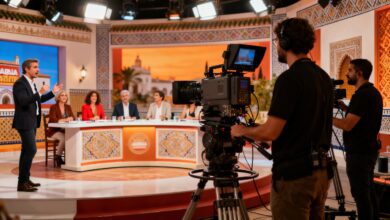
The event will take place at RTVE’s Territorial Broadcasting Center in Mérida, where all technical and organizational preparations have already been made. Viewers from other regions across the country will be able to follow the debate live via digital platforms. Organizers emphasize that this event will be a key element of the entire election campaign’s media coverage, and on election day, RTVE will operate in enhanced mode.
Participants and intrigue
María Guardiola’s refusal to participate in the debates became one of the main sensations of the campaign. Her decision was supported by party leader Alberto Núñez Feijóo, who expressed doubts about the organizers’ impartiality. The other candidates, however, believe that the incumbent president’s absence from the debates is a missed opportunity for open dialogue with voters.
As the election approaches, the political struggle has intensified: forecasts show that none of the parties is likely to win an absolute majority, which means complex coalition negotiations may follow the vote. This makes the debates especially important—they can influence undecided voters and shift the balance of power in the final days before the election.
Attention to the broadcast is high not only in Extremadura, but throughout Spain. The outcome of the debates and the public reaction could serve as an indicator of societal sentiment and set the tone for future political developments in the country.