In recent years, the Spanish passenger car market has shown steady growth, but the fleet’s structure is a point of concern for experts. Despite active discussion about the emergence of Chinese brands, their share in the country remains minimal, not exceeding half a percent of the total number of cars.
European manufacturers still hold a dominant position, accounting for nearly 80% of all registered vehicles. This is due not only to consumer preferences but also to the specific characteristics of the car fleet. Most models from China are equipped with electric or hybrid powertrains, but the demand for such technologies in Spain remains limited. As of today, electric and hybrid vehicles of all types make up less than 8% of the total number of vehicles.
The majority of Spanish drivers continue to use vehicles with traditional internal combustion engines. About 60% of cars run on gasoline, while another third use diesel fuel. This fleet structure hinders the adoption of new environmentally friendly technologies and slows the renewal of vehicles.
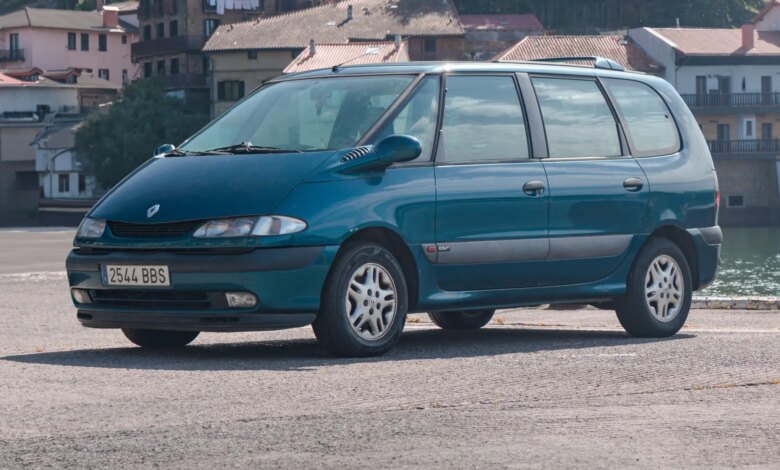
The situation is aggravated by the considerable age of vehicles. Almost half of all passenger cars in the country have been in use for more than 15 years, while the share of cars younger than five years does not exceed 17%. Over the past decade, the average vehicle lifespan before disposal has increased from 16 to 21 years. At the same time, the total number of cars on the roads continues to rise: since 2015, there have been 5 million more vehicles, but the proportion of relatively new cars has decreased by 8%.
Forecasts for the coming years are far from optimistic. It is expected that another 6.4 million passenger cars will be added to the existing fleet, bringing the total number to over 35 million. However, half of them will be older than 15 years, indicating the ongoing aging of the vehicle fleet.
Most vehicles in Spain are owned by individuals—accounting for 90% of all transport. Experts believe that fleet renewal is possible only with buyer support, including through incentives. Among the proposals is the introduction of progressive subsidies depending on a vehicle’s environmental class: the higher the eco-friendliness, the greater the support.
Specialists note that to slow down the aging of the vehicle fleet, it is necessary to increase the number of cars being deregistered. Currently, about one million new cars are registered annually, while only 600,000–700,000 are scrapped. As a result, the overall number of cars continues to grow, and their average age is rising.
Without a comprehensive fleet renewal program, Spain risks facing a worsening environmental situation, decreased road safety, and a loss of competitiveness in the automotive sector.