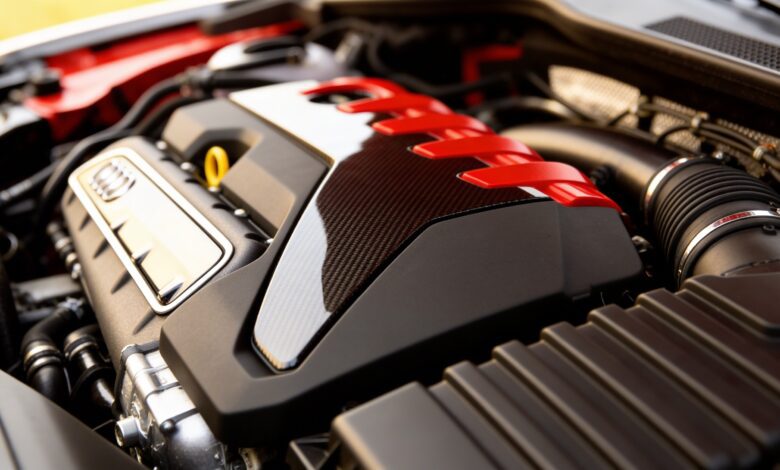
Strict EU environmental regulations are leading to the disappearance of entire generations of engines, and now one of Audi’s most iconic power units is facing the axe. By mid-2027, the 2.5 TFSI five-cylinder engine, a hallmark of the brand’s engineering, will be discontinued for the European market. This decision is due to the inability to adapt the engine to the new Euro 7 standards without significant investment and redesign, which management considers unjustified as the industry moves toward electric vehicles.
Brand enthusiasts are already calling this the end of an era. The engine, renowned not only in production models but also on racetracks, is becoming a thing of the past. Its unique sound and character became Audi’s signature, and it has been recognized as one of the best in its class. Now, despite the recent anniversary—marking 50 years since the first five-cylinder unit appeared—the company has no plans to bring it back. An Audi spokesperson explicitly stated there are no plans to resume production.
History and legacy
The five-cylinder engine first appeared in 1976 on the Audi 100 C2. At that time, engineers were seeking a compromise between compactness and power to compete with six-cylinder models from other manufacturers. The solution proved successful: the engine quickly gained popularity thanks to its balance of performance and space-saving under the hood. The engine truly stood out in motorsports— the legendary Audi Quattro with this unit became a symbol of rally victories and reshaped perceptions of what production cars could achieve.
Over the years, the engine was refined but retained its unique character. The latest 2.5 TFSI version delivers 400 horsepower and is installed in the Audi RS3, which will be the last model with this engine for Europe. In other regions, such as North America, sales will continue, but for European car enthusiasts, this is a final farewell. As Auto Bild notes, the decision to discontinue development is driven by the fact that updating the engine to meet new standards would require significant investment, while demand for such units is falling in Europe due to increased interest in electric vehicles.
Market implications
The departure of the 2.5 TFSI engine means not only the loss of its unique sound and character, but also a narrower choice for those who value traditional sports cars. Audi’s lineup is being electrified at a rapid pace, and the manufacturer is betting on new technologies to make up for declining profits. In this context, the fate of the five-cylinder engine appears sealed. Even with protests from fans, the company sees no reason to invest in outdated solutions.
Enthusiasts are already discussing that such changes affect not only Audi, but the entire European auto industry. New regulations force manufacturers to abandon time-tested technologies, causing discontent among those who value classic traditions. Analysis by russpain.com indicates that these moves could reduce interest in traditional brands among some buyers, while for others electric cars are becoming increasingly attractive.
Trends and Prospects
The introduction of the Euro 7 standard, which takes effect on November 29, 2026, toughens emission requirements not only in volume but also in particle size. To comply, Audi would have to completely redesign the 2.5 TFSI, which is not economically viable. The manufacturer chose to focus on developing electric models to maintain its market position and meet regulatory expectations. As a result, the RS3 will be the last European car with this engine, and its production will end as soon as 2027.
A similar situation is observed in other motorsport sectors, where regulatory changes lead to the departure of familiar technologies. For example, in Formula 1, stricter rules also spark debate and raise concerns among participants, as was recently discussed in a feature about Sainz’s demands to the FIA — details on driver reactions to the new restrictions.
The five-cylinder Audi engine is not just a technical solution but a part of European automotive history. Over half a century, it became a symbol of the brand’s innovation and sporting spirit, and its unique sound is recognizable even to those far from the world of cars. Today, this engine is leaving European roads, making way for new technologies, but for many it will remain a benchmark of engineering excellence and a source of inspiration for future generations.