At Panadería Vilaboa in Culleredo, Margarita Paradela works up to 15 hours a day to bake bread the old-fashioned way. Her wood-fired oven and hands-on methods have made her bakery a local institution, drawing hundreds of loyal customers daily.
Before dawn breaks in Culleredo, the scent of burning wood and rising dough already fills the air at Panadería Vilaboa. For two decades, Margarita Paradela has kept this historic bakery running, working nights and early mornings to produce bread that stands apart in the A Coruña region.
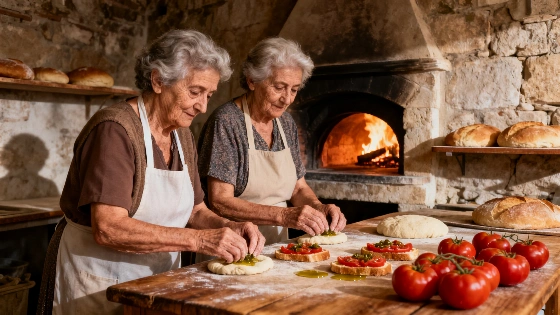
Hidden behind a modest storefront on Rúa da Calzada, the heart of the bakery is a stone wood-fired oven—one of the last of its kind in the area. Here, bread is made with patience and precision: each loaf rests for five to six hours before baking, and the process relies more on experience and instinct than on machines. Aside from a single dough mixer, nearly every step is done by hand, with fermentation left to time and the elements.
Old Methods, Lasting Results
Paradela insists that the wood-fired oven transforms the bread. The result is a crust that crackles, a crumb that stays moist, and a flavor that electric or pellet ovens simply can’t match. The bakery’s approach is increasingly rare, as most modern bakeries have shifted to faster, more automated methods. Yet, at Panadería Vilaboa, bread is still sold by weight—a tradition that has nearly vanished elsewhere.
Each day, Paradela’s routine begins at 11:30 p.m. and can stretch to 15 hours, with no holidays for the past 20 years. The demands are relentless, but the response from customers makes the effort worthwhile. Many regulars buy extra loaves to freeze, unwilling to settle for any other bread. Between 100 and 200 people visit the bakery each morning, seeking out the signature roscas, bollas, and other artisanal pieces that have become local favorites.
Handmade Empanadas and a Life Shaped by Bread
Beyond bread, Panadería Vilaboa is also known for its empanadas, crafted entirely by hand and sold exclusively in the shop. Each one is carefully assembled, from rolling out the dough to preparing the fillings. The most popular varieties include bonito, cod, cockles, and roasted pork with peppers.
Paradela’s path to baking was unexpected. Originally an office worker, she jokes that her only knowledge of bread was eating it—until she met and fell in love with a baker. Years of learning followed, first supplying bread to restaurants, and eventually, two decades ago, taking over the family bakery. Now, at 55, she is beginning to consider who might continue the tradition, aware of both the exhaustion and the responsibility that come with the role.
Tradition and Community
For many in Culleredo, Panadería Vilaboa is more than just a bakery—it is “the oven,” a term that harks back to earlier generations. Some of the bread is distributed to A Coruña, but much of it stays on the bakery’s shelves for local residents. The connection between the bakery and its community is tangible, built on years of consistency and trust.
Paradela’s expertise is evident in her attention to detail. She can judge a loaf by its aroma, texture, and even the sound of its crust. When dining out, she instinctively inspects the bread, searching for signs of quality and authenticity. For her, bread is not just food—it is a language of its own.
As traditional bakeries become increasingly rare in Spain, Panadería Vilaboa stands as a testament to the value of craft, perseverance, and local heritage. The bakery’s survival depends not only on hard work, but on a community that continues to value the difference that true artisanal bread can make.