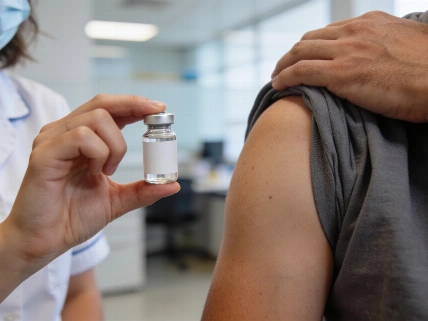
What Changes for Employees in Spain After a Year on Sick Leave: The Risk of Losing Benefits. After 12 months on sick leave in Spain, the usual rules no longer apply: benefits and decisions come under the control of Social Security, and any notification mistakes can cost you money. How to avoid losing your payments—our analysis explains. A year on sick leave: how to keep your benefits and rights when Social Security makes the decisions.
In Spain, long-term temporary incapacity for work is not uncommon, and for many employees, there comes a time when sick leave lasts a year or more. After 12 months, the situation changes fundamentally: the usual procedure for monitoring and documentation takes a back seat, and key decisions pass to Social Security. This is not just a formality — the rules, risks, and even the amount of payments change for the employee.
Transition to Social Security supervision
When temporary incapacity for work lasts exactly one year, the standard sick leave process ceases to apply. The responsibility for further decisions now shifts from the attending physician or insurance company to Social Security authorities. As Talent24h notes, this marks the start of a new phase: the employee is automatically placed in an extension regime, which can last up to 180 days, provided there are grounds to believe that work capacity may be restored during this period.
For the employee, this transition takes place without any additional applications or bureaucratic procedures. Sick leave payments continue, but it is important to understand: previously, the company could pay up to 100% of the calculation base, but now Social Security pays only 75%. This means that some employees may unexpectedly face a decrease in their monthly income — especially if they previously received their full salary through corporate top-ups.
Features of extensions and payments
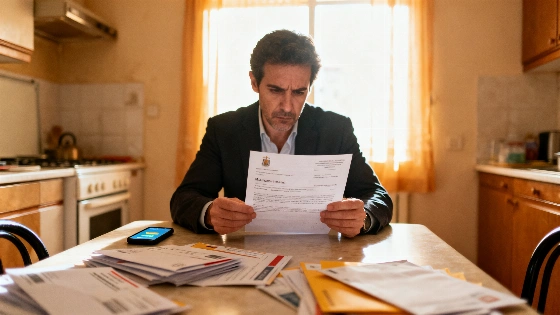
Extension of sick leave after one year does not require any new actions from the employee—the process is initiated automatically. However, it is important to carefully monitor notifications from Social Security: any changes, summons to a medical commission, or decisions regarding the future of your sick leave are sent by mail or via SMS. There are no phone calls, and missing a notification can seriously complicate the situation.
During this period, the employee must ensure that their address in the Social Security database is up to date. Any delay in responding to a summons or failure to appear before the commission may result in suspension of payments or other unpleasant consequences. Usually, a summons to the medical commission does not occur immediately after one year of sick leave—most often, it happens closer to 18 months, but exceptions are possible.
The importance of monitoring notifications
Losing track of notifications is one of the most common mistakes during this period. Social Security sends all key messages only through official channels: registered mail and SMS. If the employee does not receive or ignores such notifications, they risk missing an important commission or decision on their case. This can lead to payment delays or even termination of benefits.
Questions about the proper conduct after a year on sick leave arise for many. It is important to remember: you do not need to submit any new applications, but monitoring your mail and SMS becomes critically important. Any status change or commission summons is always an official notification and must not be missed.
Connection with other social benefits
A prolonged sick leave and transition under Social Security control often make employees consider the prospects of obtaining permanent disability or other social benefits. It is important to understand that the rules for calculating and processing such benefits can be complex and not always obvious. For example, mistakes in counting work experience or incorrect paperwork may result in losing part of the payments, as discussed in detail in the article about the nuances of unemployment benefits calculation — details on how work experience affects benefits.
What to keep in mind
A year on sick leave is not only a medical, but also a legal milestone. After 12 months, control of the situation fully passes to Social Security, and the employee must be especially attentive to notifications and possible changes in payments. Missing an official message or failing to appear before a commission may lead to serious consequences. It is important to verify your personal information in advance and be prepared that the amount of payments may change. This transition period requires alertness and attention so as not to lose either your rights or your money.