Two new cases of African swine fever have been confirmed in wild boars in Catalonia. The total number of infections since November 2025 now stands at 375. Authorities continue strict controls and population reduction measures.
Authorities in Catalonia have identified two additional cases of African swine fever (ASF) in wild boars, both within the designated high-risk area. The latest infections, confirmed in Barcelona and Sant Just Desvern, bring the region’s total to 375 since the initial outbreak was detected in November 2025. The Ministry of Agriculture, Fisheries and Food released these figures in its weekly update, highlighting the ongoing challenge of containing the disease.
Since the first infected wild boar was found in Cerdanyola del Vallès on 28 November 2025, the response has included extensive testing and movement restrictions. Out of 10,700 wild boars analyzed, 10,325 tested negative, and crucially, no cases have been found in domestic pigs. The positive cases remain concentrated in 19 municipalities within the high-risk zone, where authorities have intensified surveillance and containment efforts.
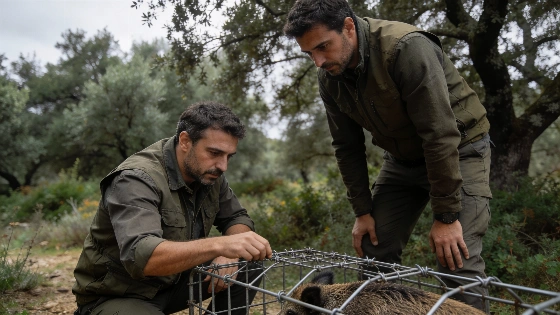
Field teams continue to search for wild boar carcasses and implement population control, primarily through trapping and targeted culling by trained rural agents and hunters. Additional measures include reinforcing fences and barriers, especially along known wild boar corridors, and adapting these controls as the epidemiological situation evolves. The government has also prioritized the installation and monitoring of isolation measures to prevent further spread.
Access to rural areas has been increasingly restricted since the outbreak began, with the scope of these limitations expanding over time. This has prompted the formation of the Collserola Oberta (Collserola Abierta) platform, uniting local organizations and residents in a call for greater transparency, measurable results, and a clear plan for the gradual reopening of affected areas. The group emphasizes that while the risks of African swine fever are recognized, the prolonged restrictions require clear communication and accountability from authorities.
Efforts to control animal-borne diseases are not unique to Spain. For example, a recent outbreak of Cyclospora in the United States led to fatalities and highlighted the importance of rapid response and transparent reporting in managing public health threats. Such incidents underline the need for coordinated action and clear information when animal diseases threaten agriculture and rural communities.
African swine fever does not pose a direct risk to human health, but its impact on wild and domestic pig populations can have significant economic and environmental consequences. The disease is highly contagious among swine and can spread rapidly if not contained. Spain, as one of Europe’s leading pork producers, faces particular pressure to prevent the virus from reaching commercial farms. The ongoing situation in Catalonia demonstrates the complexity of managing wildlife disease outbreaks in densely populated and ecologically sensitive regions.