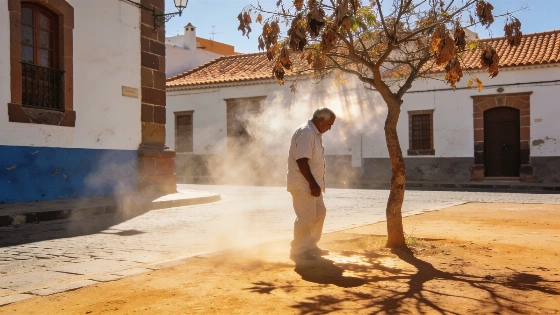
Agüimes recorded 42.2°C, the highest temperature in the Canary Islands this year. Several towns in Gran Canaria and Tenerife also surpassed 40°C. The heatwave marks a challenging start to August for the archipelago.
Agüimes, a municipality in the southeast of Gran Canaria, experienced the most intense heat of the year in the Canary Islands on Saturday, with temperatures soaring to 42.2°C at 13:20. This reading, confirmed by the State Meteorological Agency, stands as the highest recorded in the archipelago so far in 2026. The extreme heat was not limited to Agüimes: other locations across Gran Canaria and Tenerife also saw the mercury climb above 40°C, underscoring the severity of the current heatwave.
On the first day of August, Teror in Gran Canaria reached 40.9°C, while Tasarte registered 40.3°C. In Tenerife, La Laguna recorded 40.2°C, highlighting how widespread the high temperatures were across the islands. Las Tirajanas came close to joining this group, with a midday peak of 39.9°C. The oppressive heat affected much of the archipelago, creating uncomfortable conditions for residents and visitors alike.
These figures reflect a broader trend of rising temperatures in Spain, with the Canary Islands often experiencing particularly intense heat during the summer months. The current spike follows a pattern seen in previous years, where short-lived drops in temperature are quickly replaced by renewed heatwaves. As noted in a recent analysis, forecasts for August suggest continued above-average temperatures and limited rainfall, leaving many regions bracing for further extremes.
According to meteorological data, such high temperatures can have significant impacts on daily life, from increased energy demand to health risks for vulnerable populations. The State Meteorological Agency continues to monitor the situation, issuing advisories as necessary. Residents are urged to take precautions, especially during peak afternoon hours when temperatures are at their highest. The ongoing heatwave serves as a reminder of the challenges posed by extreme weather events in the Canary Islands and across Spain.
For context, the Canary Islands' climate is typically mild, but episodes of intense heat—often linked to air masses from Africa—can push temperatures well above seasonal norms. These events are closely watched by local authorities, who coordinate responses to protect public health and infrastructure. As August progresses, attention remains focused on weather developments and the potential for further records to be set in the region.