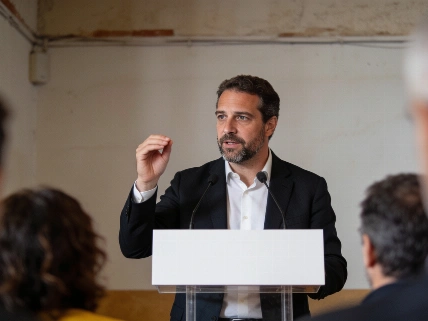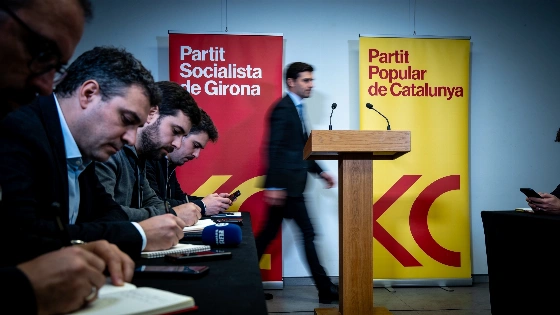
The party’s Figueres candidate, Arnau Liesa, has been removed after it emerged that he was in a relationship with a minor. Party leaders announced the decision unanimously, citing a personal situation that conflicted with the party’s founding principles. Liesa later confirmed he was resigning from all party roles and acknowledged the relationship, saying the young woman is over 16.
The party’s official communication, released on Sunday, did not initially explain the circumstances behind the decision. It said the matter had not been disclosed to party officials and was incompatible with the organization’s values. Shortly afterward, Liesa clarified that he began a relationship with the young woman earlier this year, after she was no longer his student. He said he had resigned from his teaching position before the relationship became intimate. His personal circle knew about the relationship, he said, but he acknowledged that failing to inform the party leadership was a mistake.
Liesa, 30, said he agreed with the party’s decision and was leaving every organizational role, including his candidacy for mayor. He described the decision as difficult but necessary to protect Aliança Catalana’s reputation. The party has also opened internal disciplinary proceedings aimed at expelling him.
The incident comes as political parties across Spain face increased scrutiny over their representatives’ conduct. The Figueres case highlights the challenges parties face in maintaining public trust and upholding internal codes of conduct. Similar tensions have surfaced in other high-profile situations. Paula Badosa’s personal life, for example, drew public attention and sparked debate about the boundaries between private matters and public roles after coverage of her split with Stefanos Tsitsipas (details here).
Under Spanish criminal law, the age of 16 is a basic threshold for sexual conduct involving minors. But age alone does not determine whether conduct is lawful. Consent, coercion and exploitation matter, as can the circumstances of a position of authority. The fact that the young woman was over 16 so does not, by itself, settle every legal or professional question raised by a former teacher-student relationship.
Recent cases elsewhere in Spain illustrate the distinction. On 21 October 2026, Segre reported that a teacher in Lleida was convicted after kissing an 18-year-old student without her consent during a tutorial session. The sentence included five days of permanent-location detention, plus one-month restrictions on contact and approaching her. The case involved non-consensual conduct and is not evidence of wrongdoing by Liesa. Separately, a Málaga court imposed a suspended two-year sentence on a coach who admitted a sexual relationship with a 15-year-old pupil, and barred him from activities involving children. These cases show that the age of consent and the presence or absence of consent are separate legal considerations. The teacher-student relationship can also raise additional ethical concerns.
Commentary published by Catalunya Plural has likewise argued that the absence of criminal liability does not automatically settle whether a relationship between a teacher and a student is professionally or socially acceptable. It points to the influence and authority inherent in the educational relationship. Aliança Catalana’s response in Figueres reflects the reputational and internal-governance stakes parties face when deciding whether a representative’s conduct is consistent with their stated principles.