
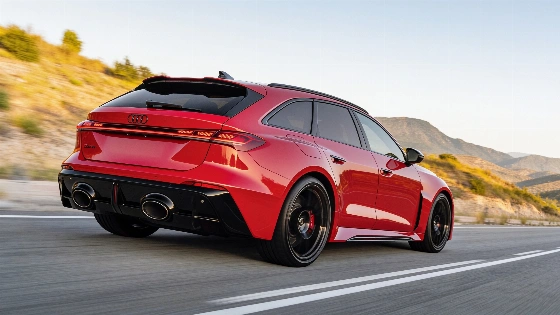
Audi introduces the RS 5 as a plug-in hybrid with 639 hp and a new all-wheel-drive system, entering direct competition with the BMW M3 and Mercedes AMG C 63 as the segment shifts toward new powertrains and priorities.
The Audi RS 5 now arrives as a plug-in hybrid with 639 horsepower, stepping directly into the ring with the BMW M3 and Mercedes AMG C 63. Audi isn’t holding back: the RS 5 brings a new all-wheel-drive setup, a 170-kilo battery, and aims to outgun its rivals in a segment where old habits and new tech are colliding.
For years, "RS" has meant Audi’s most serious performance cars. With this RS 5, Audi is changing its own formula. The hybrid pairs a 2.9-liter V6—over 70 percent of it newly developed—with a 130 kW electric motor. Together, they deliver 639 hp and 825 Nm of torque, but also push the curb weight to 2,370 kg. That weight isn’t just a number; it’s a real test of what a fast estate can be.
The Audi RS 5 is the first RS model to feature a plug-in hybrid system, marking a pivotal shift in the brand's performance lineup.
Mercedes has already made its move. The AMG C 63 E Performance T Modell puts out 680 hp from a smaller battery and a four-cylinder engine, weighing almost 200 kg less than the Audi. Its hybrid system is tuned for quick response, with the electric motor mounted on the rear axle. The AMG does 0 to 100 km/h in 3.4 seconds—less weight, more urgency.
BMW’s M3, now forty years old, isn’t stepping aside. The Touring Competition xDrive version has 530 hp and weighs 1,940 kg, matching the Audi’s power-to-weight ratio at 3.7 kg per hp. But the M3’s real strength is its handling. On the Sachsenring, it laps in 1:32, beating the AMG by 1.5 seconds on similar tires. Agility and balance keep the M3 at the top of the class.
The new RS 5 stands out not just for its hybrid badge but for its hardware. It uses a lockable central differential and a new Dynamic Torque Control system at the rear, managed by an 8 kW electric motor. This setup pushes torque to the outer rear wheel in corners, working to offset the car’s weight and sharpen its reactions. Five driving modes, including RS torque rear, let the driver switch from quiet electric cruising to full-boost acceleration, the latter available for ten seconds at the press of a steering wheel button.
According to recent independent tests and official data, the RS 5's battery has a gross capacity of 25.9 kWh (net 22.0 kWh), enabling a real-world electric range of approximately 80–84 km on the WLTP cycle. AC charging is supported up to 11 kW, with a full charge taking about 2 hours and 30–45 minutes; DC fast charging is not available.
But the numbers only tell part of the story. The RS 5’s battery gives up to 80 km of electric range, but its main job is to deliver hard acceleration and keep the rear axle lively. The Mercedes system, with its smaller battery and rear-mounted electric motor, is even more focused on performance. BMW, for now, sticks with a pure combustion engine, but an all-electric M3 is expected in 2027, hinting that the classic six-cylinder’s days are numbered.
Mercedes is already planning to move on from the current C 63 setup. The next version will drop the four-cylinder hybrid for a six-cylinder mild hybrid, with output capped at 449 hp and the top model shifting from 63 to 53. The GLC 63’s departure shows the trend: the traditional trio is splitting, and soon only Audi and BMW may be left in this contest.
As the segment changes, the question isn’t just which car is fastest, but which approach will shape the future of the performance estate. The RS 5’s hybrid system is technically impressive, but its weight is a real hurdle. The AMG’s setup is all about speed, while the M3’s balance and consistency keep it ahead in handling. In a class where every kilogram and every tenth of a second count, the real answer will come when these cars meet on the same track—just as the recent electric hot hatch comparison showed, numbers alone never settle the debate.
What’s clear is that Audi’s RS 5 has forced its rivals to react, speeding up the end of the classic German performance wagon era. The competition is now about more than horsepower; it’s about how each brand sees the future of speed, efficiency, and driving feel. For enthusiasts, the next few years will be decisive. The RS 5’s arrival isn’t just another new model—it’s a sign that the rules have changed, and only brands willing to adapt will stay in the race for the ultimate family sports car.