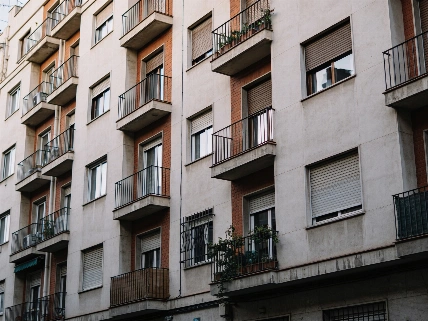
The Madrid regional government’s acquisition of a 485-square-metre luxury penthouse in Chamberí drew attention after President Isabel Díaz Ayuso defended the purchase, saying the property will serve as a temporary office. The transaction was not initially disclosed in the annual budget and prompted questions about transparency and the use of public funds in one of the capital’s most expensive districts. Planifica Madrid, the public company attached to the regional presidency, bought the property on Paseo del General Martínez Campos for approximately €6.3 million, about €12,990 per square metre before taxes and other transaction costs.
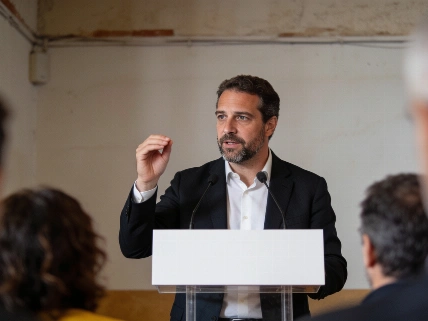
Ayuso addressed the controversy during a press appearance at Sol, where she was also dealing with the ongoing wildfire crisis. She rejected claims that the penthouse was intended as her personal residence and said no property had been bought for her own use. The space, she said, was meant for meetings while the Real Casa de Correos undergoes renovation work scheduled to begin in August. She described the arrangement as a logical solution to the temporary disruption at the government’s basic headquarters.
The purchase process began months before the controversy became public. Planifica Madrid and the seller signed a confidentiality agreement on 3 February 2026. The property was inspected and valued between 11 and 13 February, followed by an earnest-money agreement on 27 February. The deed was completed on 14 April for approximately €6.3 million. Journalists uncovered the transaction in the Property Registry, bringing the purchase to light. The government’s spokesperson and Presidency Councillor, Miguel Ángel García Martín, heads the agency, but the investment was not listed in that year’s official spending plan.
After the news emerged, a source close to Ayuso clarified that no final decision had been made on using the penthouse as an office. Renovation work on the property was planned, with a decision on relocating staff or meetings expected in October or November. The source also stressed that there were no plans to convert the penthouse into a presidential residence. In its later written response to the Tribunal de Cuentas, the regional government described the property as institutional space, with a work area and a rest area that could also provide occasional accommodation for visiting authorities or officials. It said the purchase was intended to support regional departments and was not, “in any case,” an official residence for the president.
Ayuso criticized what she described as a campaign to discredit her leadership, particularly as the region dealt with the aftermath of destructive wildfires. She said she was frustrated at having to respond to allegations about the property purchase while residents were coping with the loss of their homes. The revelation came three and a half months after the acquisition, drawing further scrutiny because the information surfaced only after direct questions from the press.
The Tribunal de Cuentas gave the Comunidad de Madrid an chance to respond after receiving five complaints about the purchase. The regional government asked the court of auditors to close the inquiry instead of appointing an investigating delegate. The review put the transaction’s public-interest rationale and accountability under formal scrutiny, including the government’s distinction between institutional work, occasional accommodation and a personal or official residence for Ayuso.
Planifica Madrid later sought to sell the penthouse for a minimum of €6,694,201 plus taxes, approximately €13,803 per square metre excluding taxes. The first sale tender attracted no offers, and a subsequent procedure also failed to draw bids. The property was then offered through a permanent public-offer process. Its terms said it would remain on offer indefinitely unless Planifica Madrid withdrew it. By October 2026, the company had not completed a sale, leaving the public asset on the market above its reported purchase cost.
Separate reporting indicated that Ayuso and her team were preparing temporary offices at the headquarters of Canal de Isabel II in Chamberí during renovation of the Real Casa de Correos. That plan added context to questions about whether the penthouse was needed for the temporary relocation of the president’s office. The government’s later description also envisaged broader institutional uses.
Madrid government real estate decisions have faced public scrutiny before. Earlier, a previous report highlighted the secrecy surrounding the penthouse deal and the lack of budgetary transparency. Such cases have fueled continuing debate over oversight and the allocation of public resources in the region.
The Real Casa de Correos is the historic seat of the Madrid regional government, and its renovation is expected to temporarily displace basic administrative functions. Chamberí’s basic location and high property values have made the penthouse a prominent focus of the debate. Its purchase price and failed attempts to sell it at a higher minimum price, alongside differing descriptions of its intended institutional use, have kept attention on how regional governments balance operational needs with public accountability.