Barcelona has completed or launched 70% of its €46 million plan for Barceloneta. The city is focusing on public housing and urban renewal to help residents stay amid rising tourism. New projects target schools, plazas, and social spaces.
Barcelona’s city council has accelerated its efforts to protect the social fabric of Barceloneta, one of the city’s most iconic and tourist-impacted neighborhoods. With 70% of a €46 million investment plan either finished or underway, the municipality is prioritizing public housing renovations and upgrades to community spaces to help long-term residents remain in the area.
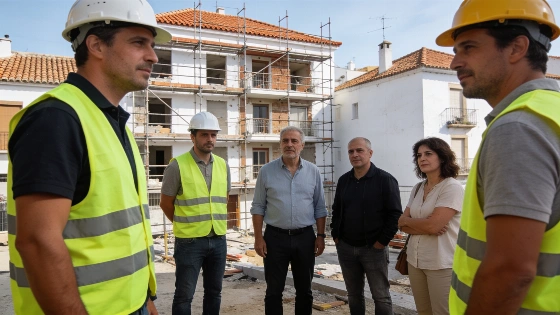
Mayor Jaume Collboni emphasized that the city’s strategy is designed to ensure locals are not forced out by the surge in short-term tourist rentals. He pointed to the rehabilitation of 18 municipal apartments on Joan de Borbó, with 13 now offered as affordable rentals and five allocated to social organizations. In addition, construction continues on 81 new homes for seniors on Pinzón street, reflecting a broader push to expand the public housing stock.
Urban renewal is also advancing on several fronts. The city is preparing to overhaul the Poeta Boscà square, a central gathering spot near the market, with plans to expand the children’s play area, add water features for summer cooling, and create more shaded zones. The adjacent Pepe Rubianes street is set for a full redesign to improve accessibility and reorganize public space, incorporating suggestions from local residents. This project, currently in the tender phase, carries a €5 million budget.
Education and community life are also in focus. The Escola Bressol Municipal La Mar, a municipal nursery on Andrea Dòria street, is being expanded to accommodate up to 100 children, up from 63, by adding two new classrooms. Meanwhile, the historic Cooperativa Segle XX on Atlàntida street is being transformed into a 682-square-meter youth and community center, with opening planned for early 2027. The city also plans a new 636-square-meter venue for neighborhood associations on Joan de Borbó.
Health services are set to improve as well. The city has acquired the former Clínica Barceloneta to develop a new primary care center (CAP) of nearly 3,000 square meters. While the final project is being prepared, an expanded version of the current CAP has been operating since January.
Collboni linked the need for more public housing directly to the impact of tourist rentals, which he said have displaced many locals. The city continues to inspect and crack down on illegal tourist apartments, with around 100 such properties under investigation in Ciutat Vella. The transformation of Barceloneta’s commercial landscape is also evident, as traditional businesses give way to cafes, ice cream shops, and brunch spots catering to visitors.
Despite these changes, the neighborhood’s identity remains strong, with residents demanding higher quality public spaces and services. The city’s approach aims to balance the needs of locals with the realities of tourism, a challenge faced by many European cities. Similar tensions have been reported elsewhere, such as in Madrid, where authorities have responded to local crises with targeted support for affected businesses, as seen in the recent allocation of aid to firms impacted by wildfires.
Barceloneta’s history as a fishing and working-class district has shaped its character, but the influx of visitors and new businesses has accelerated change. The city’s current investment plan is part of a broader effort to preserve community life and ensure that essential services, affordable housing, and public spaces remain accessible to residents. As Barcelona continues to grapple with the pressures of mass tourism, the outcome in Barceloneta may serve as a model for other neighborhoods facing similar challenges.
For context, Barcelona’s approach reflects a wider trend in Spanish cities, where local governments are increasingly intervening to regulate tourist accommodation, invest in public infrastructure, and support vulnerable populations. The balance between economic benefits from tourism and the preservation of local communities remains a central issue in urban policy debates across Spain.