The 31st Festival Internacional de Música Antiga i Barroca de Peñíscola launches with a heraldic parade and concerts in the iconic Castillo del Papa Luna. International ensembles and Spanish groups headline a packed week of performances.
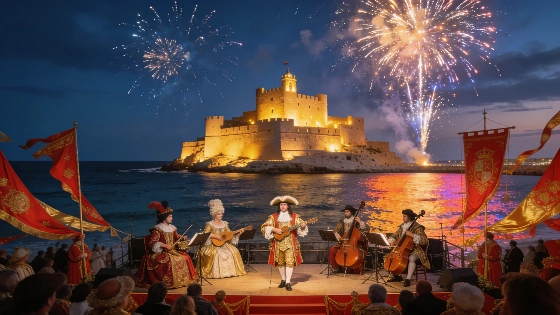
The 31st edition of the Festival Internacional de Música Antiga i Barroca de Peñíscola begins this Friday, transforming the historic Castillo del Papa Luna into a stage for some of the most refined and emotionally charged music of the Baroque era. The opening night features a heraldic parade by La Regalada through the old town at 20:30, setting the tone for a week where international and Spanish ensembles will share the spotlight.
Friday’s program continues inside the castle at 22:30 with the Valencian group Mediterrània Consort, joined by soprano Aurora Peña and directed by David Antich. Their performance, titled A furore ad gloriam, explores two distinct Baroque sound cultures from around 1680–1710. The concert contrasts the French tradition, known for its courtly grandeur, with the Italian style, which emphasizes expressive soloists and dramatic affect. This duality shapes the festival’s broader theme, highlighting the diversity of European Baroque music.
The festival’s schedule brings a series of notable acts to Peñíscola. On July 25, Capella de Ministrers presents El conqueridor at the Palau de Congressos, focusing on the legacy of Jaume I under the direction of Carles Magraner. The following evening, the Taiwanese ensemble The Gleam Ensemble delivers De carne y aliento: el arte de disminución en el mundo de los Habsburgo at the castle, marking the first international appearance of this edition. July 27 sees Forma Antiqva from Asturias perform De Sópitu, led by Aarón Zapico, also at the castle.
International participation continues with Germany’s Ensemble 1700, who arrive on July 28 with Follias!, featuring Dorothee Oberlinger on recorder, soprano Hélène Walter, and violinist-dancer Yves Ytier. On July 29, Ensemble Contratemps from Catalonia stages Los elementos: ópera y flamenco at the Palau de Congressos, based on Antonio Literes’ score. July 30 brings a collaborative concert by Qvinta Essençia and Ensemble Arquivolta, presenting A la caza de los sentidos, a program themed around a day of hunting, at the castle.
The British vocal group Stile Antico closes the international segment on July 31 with Postales polifónicas, a journey through European cities in polyphonic style. The festival’s final major concert is set for August 1, when Madrid’s La Ritirata, joined by actress Manuela Velasco and cellist-director Josetxu Obregón, performs Amor místico: música y poesía. The family-friendly show Follia d’amore. Al voltant dels quatre afectes de l’amor is scheduled for August 2 at noon at the Palau de Congressos, presented by Camerata Antiga from the Conservatori Superior de Música de Castelló. The festival concludes with the traditional piromusical show Foc Barroc by Pirotècnia Tomàs on Peñíscola’s north beach at midnight on August 2.
Beatriz Traver, deputy director of Music and Popular Culture at the Institut Valencià de Cultura, highlighted the presence of acclaimed groups such as Stile Antico, The Gleam Ensemble, and Ensemble 1700, noting that these international acts complement Spain’s leading Baroque performers for a balanced and high-level program. Advance tickets are available for €15 on the festival’s website, with sales also at the Casa de l’Aigua and the castle box office on concert days. Entry to the family show Follia d’amore is free, with tickets downloadable from the IVC portal or available at the box office.
Peñíscola’s festival stands out for its blend of local heritage and global talent, drawing audiences to a venue steeped in history. The Castillo del Papa Luna, once home to Benedict XIII (Pedro Martínez de Luna y Pérez de Gotor), provides a dramatic backdrop for performances that bridge centuries and cultures. The event’s timing coincides with other regional festivities, such as Cantabria’s Día de las Instituciones, which was recently confirmed as a public holiday for that region only, as detailed in this report on Cantabria’s unique July 28 observance. This overlap highlights the diversity of Spain’s summer cultural calendar, where music, history, and local traditions intersect.
Baroque music festivals like Peñíscola’s have become key fixtures in Spain’s summer, attracting both dedicated enthusiasts and casual visitors. The combination of historic venues, international artists, and thematic programming offers a unique cultural experience. The festival’s accessibility, with affordable tickets and free family events, ensures broad participation. As the 31st edition unfolds, Peñíscola reaffirms its role as a leading destination for early music, reinforcing the importance of cultural heritage in contemporary Spain.