Spanish oncologists are looking past survival alone. At its Madrid congress, SEOM is calling for care that helps patients rebuild daily life while precision medicine reshapes treatment.
In Madrid, more than 1,800 professionals will meet from 29 September to 2 October for SEOM's annual congress. The Sociedad Española de Oncología Médica is putting the patient's life after diagnosis at the centre of the discussion.
Javier de Castro, president of SEOM, said quality of life covers more than controlling clinical symptoms. Patients also need a chance to recover the personal plans that cancer may have interrupted or broken apart.
The shift is real.
SEOM's anniversary materials describe the oncologist not only as a clinician, but also as a companion who must treat, inform, understand and remain alongside patients during difficult stages of the disease.
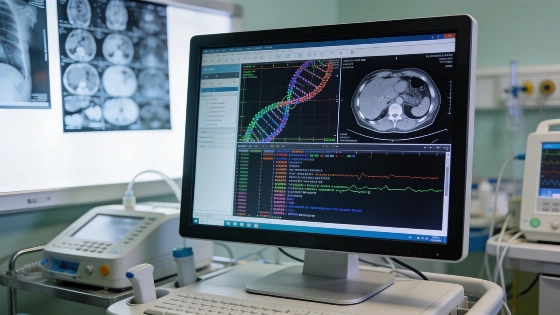
That goal rests on a major change in treatment. Medical oncology grew out of Internal Medicine when options were few and mostly palliative. Today, doctors use genetic diagnosis, tumour profiling and decisions based on molecular alterations and biomarkers.
Patient survival has changed too. Targeted therapies and immunotherapy have reduced the central role once held by non-selective chemotherapy, which carried a high risk of toxicity. When a cure is not possible, SEOM says some patients may live with cancer for a long time and keep a reasonable quality of life.
A tumour can no longer be understood only by the organ where it began.
The debate over quality of life is no longer limited to conference rhetoric. Spanish experts and patient organisations are calling for it to be considered systematically when oncology treatments are evaluated and funded, making patient-centred outcomes part of health policy as well as clinical practice.
Javier Puente, the congress's scientific coordinator, said the anniversary should honour the pioneers of the specialty. It should also raise a harder question about the oncologists of the future. The programme covers the past 50 years, current disputes, new treatments and the training needed to read complex disease profiles.
The 2026 congress will feature 33 scientific sessions, workshops and meetings with experts. It has 237 speakers and 583 communications, or nearly 600 contributions overall. Spanish medical oncologists will present their own work within the scientific sessions. That gives national research a direct place in the clinical debate.
RTVE's coverage presents the anniversary as a scientific meeting and a public discussion about the future of cancer care.
Prevention will form part of that discussion. The congress will present the first results of FOBEyCAN, a study promoted by SEOM's Working Group on Obesity, Metabolism and Cancer. Data from the society show that 23.6% of the people studied have obesity and 57.8% have excess weight.
SEOM links obesity to a higher risk of certain cancers. It also says obesity may affect disease progression and treatment tolerance. Spanish media reports have pointed to the wider concern: more than half of the oncology patients assessed had excess weight. Long-term prevention and support therefore sit alongside tumour treatment.
That issue reaches beyond the clinic.
SEOM says a patient's circumstances can shape access to prevention, diagnosis and treatment. Socioeconomic inequalities can affect each stage of care. A purely clinical definition of success misses that part of the picture.
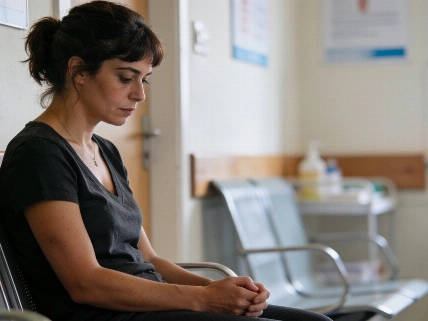
The society's focus on humanisation also changes the doctor's role. An oncologist must guide patients through uncertainty, not simply choose and give a therapy.
The molecular focus of the congress also connects with research on blood-based therapies. These approaches seek personalised treatment when tumour tissue is difficult to obtain. SEOM's programme covers sequencing, biomarkers, artificial intelligence and new therapeutic approaches. The aim is to match decisions more closely to the disease and the individual.
Reports on the meeting also put precision medicine, translational research and molecular profiling beside questions about autonomy and functional ability. Patients may need to preserve both over longer periods of survival.
SEOM2026 is more than an anniversary programme. Its central message is plain: survival has less value if patients cannot return to the lives they want. The society is placing personal recovery, access and quality of life beside precision medicine. That is the test for modern oncology.