Catalonia will spend €100 million to equip one hundred public schools with modern climate control systems and improve classroom conditions. The first schools are expected to be fully equipped by the 2027/2028 academic year, as part of a wider plan to renovate every public school in the region by 2031.
One hundred public schools in Catalonia are set for major upgrades, with each receiving about one million euros to install new climate control systems. The Generalitat is starting with these schools as part of a broader plan to renovate every public school in the region by 2031, a project expected to cost 2.5 billion euros. Catalan media outlets such as ARA and Crónica Global report that the first phase will receive around €100 million, with each selected school or institute getting roughly €1 million for the work.
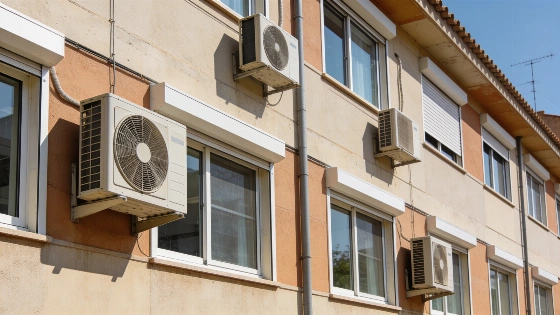
The goal is to equip the first schools to handle summer heat and winter cold by the 2027/2028 academic year. The government, led by Salvador Illa, expects the investment to improve classroom comfort and health while supporting learning through cleaner air and greater energy efficiency. ARA reports that upgrades will include air conditioning and mechanical ventilation, alongside thermal insulation and modernized energy systems, with a focus on renewable energy and replacing windows where needed.
A newly established technical office, with architects and specialists in law and economics, will monitor costs and oversee progress on the climate adaptation project in Catalan schools.
The selection of the one hundred schools followed three basic criteria, says Marta Clari, secretary general of the education department: priority went to areas with the most extreme temperatures, while the selection also aimed for regional balance and focused on schools serving students most at risk from temperature extremes. Government data shows the need is urgent: over a quarter of public schools in Catalonia were built before 1960, and many have outdated or failing heating and cooling systems. Crónica Global reports that the selection process aims to address geographic disparities while prioritizing the most exposed and disadvantaged communities.
Education minister Esther Niubó calls the project a "very ambitious change" and points to the scale of resources involved. The technical work includes new heating and cooling systems and better ventilation, along with the replacement of old infrastructure. A technical office staffed by architects and specialists in law and economics will coordinate the work. The team will track costs and progress to keep the project on course. Crónica Global describes the office as a step toward greater transparency and efficiency throughout the program.
Local governments will also have a role. Starting in 2027, municipalities will have two months to express interest in managing and pre-financing upgrades for their schools, with the Generalitat promising full reimbursement. Towns can use their own funds or take subsidized loans from the Institut Català de Finances, while the regional government covers the final cost. Russpain reports that municipal involvement is basic to the effort, making it an intergovernmental project as well as an education initiative.
The overall program will eventually cover 2,530 public educational centers across Catalonia, with approximately 2.5 billion euros allocated through 2031. The program includes schools as well as kindergartens and institutes, information from multiple independent publications. ARA
The plan also covers 51 publicly owned student residences, with €58 million set aside for climate adaptation. Xema Gil, secretary general of the Department of Social Rights, says work on these residences will start immediately and finish before the end of 2031.
The project is unusual in scale for a regional government. The Generalitat is undertaking a multi-year infrastructure overhaul that requires coordination between education and finance, as well as local government. Success will depend on implementation: Catalonia’s public schools could become an example of climate adaptation in education, while any shortfall would expose the gap between promise and delivery.