Ceuta is struggling with a sharp rise in unaccompanied migrant minors. NGOs estimate up to 4,000 children remain on the streets, far above official figures. The crisis exposes gaps in protection and urgent need for coordinated action.
Ceuta is experiencing a deepening crisis as the number of unaccompanied migrant minors on its streets continues to climb. While the Spanish government maintains that around 2,500 minors remain in the city following the mass arrivals at the end of July, local NGOs and neighborhood associations argue the real figure could be as high as 4,000. This sharp discrepancy has intensified scrutiny of the authorities’ response and highlighted the scale of the humanitarian challenge.
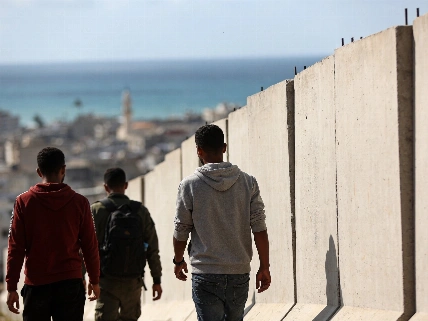
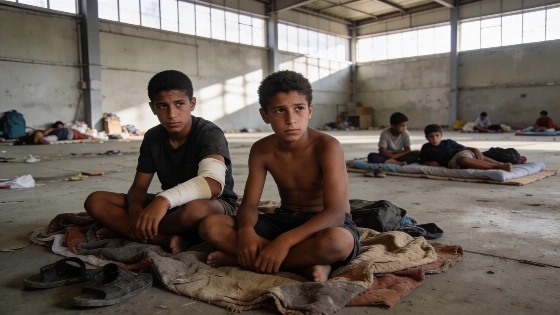
According to Save the Children, only about 1,500 children and adolescents are currently within the official protection system. The rest, many of whom arrived by swimming across the border, are left to fend for themselves in precarious conditions. Some have found temporary shelter thanks to local residents, such as those sleeping in an outdoor futsal field in La Reina, but most are scattered across the city—on the streets of El Príncipe, the beach at El Trampolín, in the hills, or inside the semi-abandoned warehouses of El Tarajal. These makeshift refuges are overcrowded and lack basic hygiene, with many minors suffering from untreated wounds, infections, and scabies.
Food distribution is limited, with NGOs like Luna Blanca able to provide only one meal per day. The situation in El Tarajal is particularly dire, as described by Save the Children’s program director, who warns that girls left alone are especially vulnerable to abuse and exploitation. The lack of nighttime protection in these areas has become a growing concern. On Wednesday, two minors collapsed in the heat—one from dehydration and hunger, the other from untreated illness—while others pleaded for medical help, underscoring the urgency of the crisis.
Every morning, hundreds of minors gather outside Ceuta’s police headquarters from as early as five o’clock, hoping to register and enter the protection system. However, the overwhelmed authorities are unable to process the volume of requests, leading to long waits and growing frustration. The Minister of Territorial Policy, Ángel Víctor Torres, recently stated that about 1,400 young migrants have been officially registered so far.
The government’s current plan prioritizes family reunification, aiming to return minors to their families in Morocco where possible. However, Save the Children stresses that each case must be individually assessed to ensure legal safeguards and the child’s consent. The Spanish Foreign Minister has taken a firmer stance, insisting that all irregular entrants will be returned to Morocco, reflecting Rabat’s stated position. Yet, the legal and humanitarian complexities of such returns remain unresolved.
This Thursday, the Ministry of Youth and Children will meet with Spain’s autonomous communities to discuss the allocation of an extraordinary €25 million credit for Ceuta. The meeting is a technical step ahead of the Sectoral Conference on Children and Adolescents, which is expected to convene at the end of August. Some regional governments, including those where Vox controls child welfare, have already announced they will not participate, while Madrid has confirmed its attendance but distanced itself from the national migration policy.
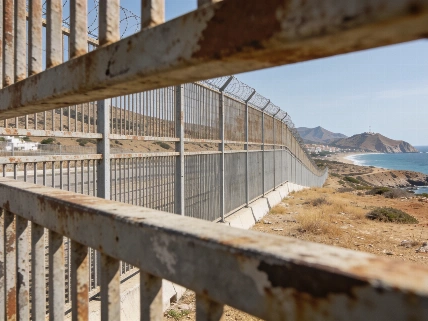
The ongoing crisis in Ceuta has also drawn attention to broader tensions at the border. Recent disputes between Spanish police and Moroccan authorities over the treatment of migrants have further complicated the situation, as highlighted in a recent report on police responses to abuse allegations. These developments underscore the urgent need for coordinated action and transparent data to address the needs of vulnerable minors and restore order at the border.
Ceuta’s unique position as a Spanish enclave bordering Morocco has long made it a focal point for migration flows. The city’s limited resources and infrastructure are now under unprecedented strain. Spain’s child protection system is designed to provide shelter, healthcare, and legal support to unaccompanied minors, but the current influx has overwhelmed available capacity. The €25 million emergency fund is intended to bolster local services, but effective coordination between national and regional authorities remains critical. The outcome of the upcoming Sectoral Conference may set a precedent for how Spain manages similar crises in the future, especially as migration pressures across southern Europe continue to rise.