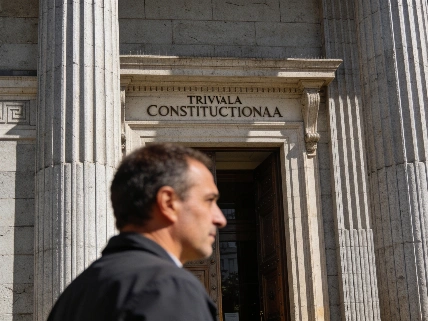
Spain’s National Court has formally recognized Ceuta as a direct victim in the July migrant influx. The city’s legal team now joins the case as a private prosecutor. The move signals a shift in how authorities address mass border entries.
Ceuta’s position in Spain’s legal system changed this week when National Court magistrate María Tardón granted the city official standing as a direct victim in the investigation into the mass entry of migrants at the end of July. With this decision, Ceuta’s legal team will now participate as a private prosecutor in the case.
The court’s move follows the events of July 30 and 31, when a large group of migrants crossed into Ceuta, sparking national debate about border security and government responsibility. Until now, Ceuta had a limited role in the legal process. The new ruling gives the city the right to pursue claims and take an active part in the case.
According to Reuters and other major outlets, approximately 72,000 people crossed the border during the crisis, with about 5,000 migrants remaining in Ceuta, including around 1,600 unaccompanied minors.
Judge Tardón’s resolution states that Ceuta and its residents are “direct and immediate victims” of the events, affected in their freedom, rights, and property. The court accepted Ceuta’s role as a private prosecutor because of the seriousness of the alleged crimes, which include threats to state peace, violations of foreign citizens’ rights, reckless homicide, and possible organized criminal activity.
This recognition comes after the National Court, with support from the Prosecutor’s Office, confirmed its jurisdiction over the case. The court cited evidence that the alleged crimes go beyond local issues and involve national security and the rights of both Spanish citizens and migrants. Ceuta’s legal team, now officially part of the case, will work alongside state prosecutors to clarify responsibilities and seek accountability for the July incident.
Ceuta’s new legal role follows a series of government responses to the crisis, including the appointment of Ángel Víctor Torres to coordinate the national approach, as reported earlier. The city’s direct involvement is unusual—Spanish localities are rarely recognized as victims in national security investigations—highlighting the pressures faced by border regions.
Recent court documents indicate that Judge Tardón sees signs of 'hybrid warfare' or 'grey zone' tactics, suggesting the mass migration may have been used as deliberate pressure on Spain. The National Court and law enforcement have requested and received reports from police, the Civil Guard, and CENIF, showing the investigation is based on multiple official sources, not just complainants' statements.
Spanish law allows affected parties to join criminal proceedings as private prosecutors, but this is usually reserved for those with clear, direct harm. In this case, the court’s language points to the scale of the impact on Ceuta’s population and infrastructure. The decision could set a precedent for how Spanish authorities handle future mass entries and the legal rights of border communities.
By granting Ceuta this status, the National Court signals that border incidents will be treated as events with real victims and legal consequences. This approach may prompt a more detailed debate about state obligations, local autonomy, and the limits of Spain’s migration policy. The court’s decision brings the voices of affected communities directly into the legal process.