Hundreds of migrants are leaving Ceuta and returning to Morocco. Spanish soldiers are directing the flow after 40,000 people entered the enclave in 24 hours. The city faces severe overcrowding and rising tension.
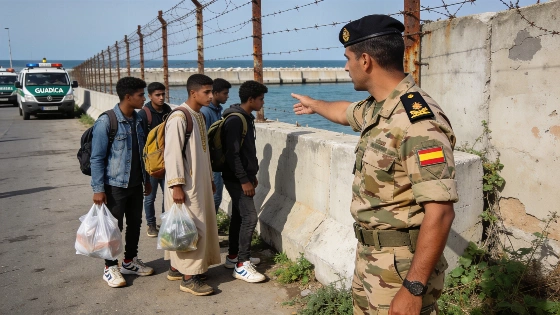
Ceuta is experiencing an unprecedented reversal at its border, as hundreds of migrants who entered the Spanish enclave irregularly in the past day are now returning to Morocco. Spanish military personnel have been deployed to the frontier, guiding groups of mostly young people back across the same breakwater they used to enter. The operation follows a dramatic surge in arrivals, with around 40,000 people crossing into Ceuta within just 24 hours—a figure that dwarfs previous migration waves in the region.
Many of those now heading back cite overcrowding, lack of shelter, and limited access to food as key reasons for their decision. Reports from the ground indicate that migrants have struggled to find places to sleep, with parks and public spaces filled to capacity. Some describe being refused service in shops and cafés, while others mention hostility from local residents, including incidents of stone-throwing and threats. The city, which has a registered population of 83,600, has been transformed into an improvised camp, with young people sleeping on damp grass, in parking lots, and even on statue pedestals.
The border zone itself has become a chaotic corridor, with people moving in both directions—some still attempting to swim into Ceuta using inflatable devices, while others are escorted back by soldiers and Civil Guard officers. Military vehicles line the area, and the presence of nearly 30 army units underscores the scale of the response. The legal border crossing remains open for those with documentation, but the focus is now on managing the return of those who entered irregularly.
Among those leaving is Salma Zoubiri, a 21-year-old Moroccan nurse, who explained that she is returning due to difficulties with police and the overall situation in Ceuta. She, like many others, is prepared to swim back if necessary, undeterred by the risks. The city’s main avenues and beach promenades are crowded with young people carrying plastic bags, while the Príncipe neighborhood is overwhelmed by groups and scattered rubbish, giving the area a tense, militarized atmosphere.
Tragically, the influx has not been without loss. At least 19 people have died attempting to swim around the breakwater separating Spain and Morocco, according to provisional figures. This death toll, combined with the sheer volume of arrivals, far exceeds the previous crisis in May 2021, when over 10,000 migrants managed to bypass border controls. Some estimates now put the total number of recent entries at nearly 50,000, representing a population increase of almost 50% for the enclave.
This situation has placed enormous strain on Ceuta’s infrastructure and emergency services. The Spanish government’s response has included a significant military deployment, but the humanitarian and logistical challenges remain acute. For context, similar migration surges have previously tested local resources, as seen during earlier incidents covered by RUSSPAIN, such as the summer influx that prompted Red Cross intervention.
Ceuta’s unique position as a Spanish territory on the African continent has long made it a focal point for migration from Morocco and beyond. The current crisis highlights the ongoing complexities of border management, humanitarian response, and local integration. As authorities continue to facilitate returns and stabilize the situation, the long-term impact on the city and its residents remains uncertain. The events underscore the persistent pressures facing Spain’s border regions and the need for coordinated solutions at both national and European levels.