In Santander, 17 Million Euros for Smart City: Project Still Not Completed. The authorities in Santander have acknowledged lengthy delays in launching digital services. More than 17 million euros have been spent on the Smart City project. Key features remain non-operational.
In Santander, more than 15 years after the launch of the Smart City program and investments exceeding 17 million euros, most of the promised digital services have still not been implemented. The municipality has officially acknowledged that key tools for residents remain in the deployment phase, with launch dates repeatedly postponed. Authorities attribute this to the complexity of integration and the need for further adjustments, but do not provide new deadlines.
The Smart City project in Santander has been underway since 2010 and includes three stages: installing sensors throughout the city, creating a data management platform, and launching digital services for citizens. In the first stage, according to city officials, 8.4 million euros were spent, the majority of which came from European funds. The second stage—data integration and the creation of a management platform—cost 2.3 million euros. The third stage, launched in 2019, was to include the introduction of a mobile app, a digital resident card, and 15 interactive terminals in city streets. This phase received 6.7 million euros in funding, 60% of which was provided by the Spanish Ministry of Economy and European funds.
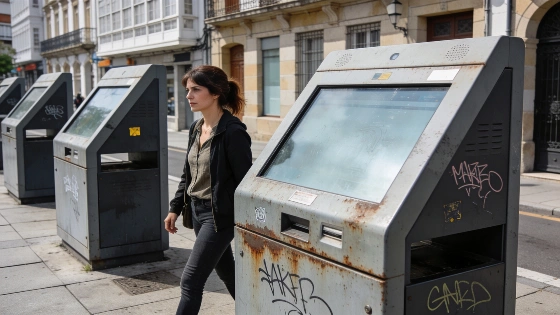
Despite extensive investment, city residents still cannot access most of the new services. For example, the digital resident card and mobile app remain unavailable, and the installed terminals are not operational and draw complaints due to their inconvenience for people with limited mobility. During their downtime, the terminals have suffered vandalism and corrosion, requiring additional repair costs.
The municipality claims that all initiatives are in the final stage of implementation but admits that deadlines have been pushed back due to complex procurement procedures, the need for integration with city systems, and coordination between different departments. In December, opposition from the PRC demanded an audit of the project's expenses and effectiveness; however, the proposal was rejected by a majority vote of the ruling party.
At the start of the project, the authorities promised that Santander would become a model digital city. However, as opposition representatives point out, even basic functions—such as topping up a transport card online—are still impossible. According to them, out of the 20,000 sensors installed in the first phase, only the devices controlling access to paid parking areas are actually operational.
City officials insist that the Smart Santander project has attracted the attention of European research centers and made the city a testing ground for new technologies. According to their data, more than 30 European pilot projects have been implemented using the Smart City infrastructure. Nevertheless, local residents have yet to see any practical changes.
In October, Santander mayor Gema Igual announced an application for a new round of funding—this time as part of an €87 million program for the development of digital cities. The opposition is skeptical about these prospects: if previous projects remain unfinished, the question arises as to whether further investment is justified.
The topic of urban digitalization is becoming increasingly relevant for Spain. The country has already adopted laws regulating the introduction of smart traffic lights and digital infrastructure, as reflected in RUSSPAIN materials, for example, in the publication about new rules for urban transport: a new stage in the digitalization of urban systems. However, the experience of Santander shows that even with significant investment, the transition to a 'smart city' can take years.
For reference: Santander is the administrative center of Cantabria with a population of about 170,000. In recent years, the city has been actively involved in European digitalization initiatives, but real changes in the daily lives of residents remain limited. The effectiveness of investments in Smart City and the timeline for launching services remain in question.