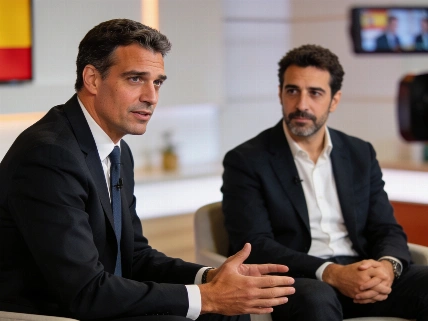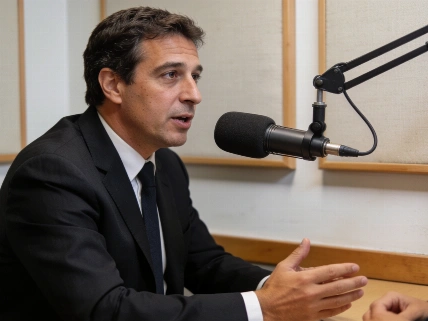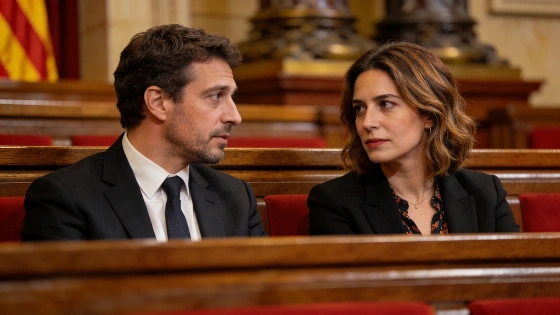
Cristina Narbona, head of PSOE, told the National Court she was unaware of any internal plot involving Leire Díez. The case centers on alleged attempts to influence legal proceedings against the party and government.
Cristina Narbona, president of PSOE, appeared before the National Court this week as a witness in the ongoing investigation into Leire Díez, a former party member accused of attempting to interfere with judicial cases involving the party and the government. Narbona firmly denied any awareness of a supposed internal scheme, stating she had no knowledge of the actions under scrutiny. Her testimony comes amid heightened attention to the party’s internal communications and the potential impact on ongoing legal matters.
The court session, led by Judge Santiago Pedraz, was prompted by a request from the Anti-Corruption Prosecutor’s Office. Investigators focused on WhatsApp conversations between Narbona and Díez, particularly around the time Prime Minister Pedro Sánchez released his public letter on April 24, 2024. This letter followed news that Sánchez’s wife, Begoña Gómez, was under investigation for alleged influence peddling and business corruption. According to a report from the Guardia Civil’s Central Operational Unit (UCO), Díez offered Narbona “qualified help” to manage the situation and counter attacks against the Prime Minister. Narbona responded by referencing a previous conversation Díez had with Santos Cerdán, the party’s secretary of organization.
Narbona clarified that she first met Díez in Santander in 2017 and had only limited contact in the following months. She emphasized that she never received files or sensitive information from Díez and that, when approached with claims of knowing “important facts,” she interpreted this as unrelated to the current investigation. Narbona said she directed Díez to Cerdán, who later told her that nothing of interest had been presented. Despite further messages from Díez, Narbona maintained her distance and reiterated her lack of involvement.
During her court appearance, Narbona described the case file as containing “worrying indications” regarding Díez’s conduct, but stressed her respect for the presumption of innocence. She stated that she had provided all relevant information to the judge and expressed confidence in the judicial process moving forward. The investigation into Díez’s alleged attempts to destabilize legal proceedings remains active, with authorities examining the extent of any internal coordination or knowledge within PSOE.
This case is part of a broader pattern of legal scrutiny facing the party’s leadership and associates. For example, recent developments involving the Prime Minister’s brother have also drawn national attention, as detailed in a related report on the government’s response to the Badajoz court ruling. Such cases highlight the ongoing challenges for Spain’s political establishment as it navigates allegations of internal misconduct and public trust issues.
Spain’s judicial system has seen a rise in high-profile cases involving political figures in recent years, reflecting increased public demand for transparency and accountability. The National Court (Audiencia Nacional) often handles complex cases with significant political implications, and its proceedings can influence both party dynamics and public perception. The outcome of the ‘Leire Díez case’ may set important precedents for how internal party communications and alleged attempts to influence justice are addressed in the future. As the investigation continues, attention remains focused on the balance between legal accountability and the rights of those under scrutiny.