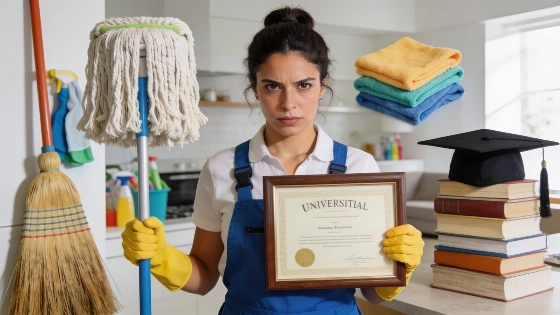
Cristina Simón, a domestic cleaner and social media creator, is pushing back against the persistent undervaluing of household work in Spain. Her story highlights the realities of low pay, social stigma and the emotional demands faced by thousands in this essential profession.
When Cristina Simón arrives at a client’s home, she brings more than cleaning supplies. With a university degree and a growing presence on social media, she is determined to confront the stereotypes that still surround domestic work in Spain. “Sometimes people offer me 10 euros an hour as if they’re doing me a favor,” she says, capturing the frustration felt by many in her field.
For years, domestic workers have kept Spanish households running—cleaning, organizing, ironing, and maintaining order. Yet, as Simón points out, their work is often dismissed as unskilled or secondary. The reality, she insists, is far more demanding. Each home presents unique challenges, requiring careful planning, time management, and a deep knowledge of cleaning products and techniques. The physical toll is significant: hours spent on their feet, lifting heavy objects, and moving furniture are all part of the job.
Beyond Cleaning: Pressure and Prejudice
Simón describes a silent pressure that many cleaners experience. Some clients monitor every move, timing how long each room takes or leaving small tests to check if a specific area has been cleaned. These behaviors, she notes, foster an atmosphere of mistrust that can strain the working relationship.
The emotional demands are just as real. Many domestic workers form close bonds with the families they serve, listening to personal problems, supporting elderly clients, and becoming a steady presence in the household. “I’m a cleaner, but sometimes I’m also a psychologist,” Simón remarks, highlighting the invisible labor that often goes unrecognized.
Legal Progress, Social Lag
Recent legal reforms have improved conditions for Spain’s domestic workers. The 2022 Royal Decree-Law 16/2022 extended unemployment protection and made social security contributions mandatory for employers. By 2026, the minimum wage for hourly domestic workers in external arrangements is set at 9.55 euros per hour, according to the official state bulletin.
Despite these advances, Simón argues that legal changes have not erased the social stigma. “I’m a cleaner, but I also studied at university,” she says, challenging the notion that a person’s worth is tied to their job title. Many in her profession still face tight schedules, wages barely above the legal minimum, and a lack of genuine respect for their essential role.
Simón’s message has resonated with other domestic workers who recognize their own experiences in her story. As Spain’s population ages and dual-income households become the norm, the demand for domestic help is only expected to grow. Yet, as her testimony makes clear, true recognition for this vital work remains a challenge.