Wildfires in Ávila, Toledo, and Madrid have forced over 90,000 evacuations. Authorities race to contain the flames before a new heatwave. The government prepares emergency measures for affected workers and regions.
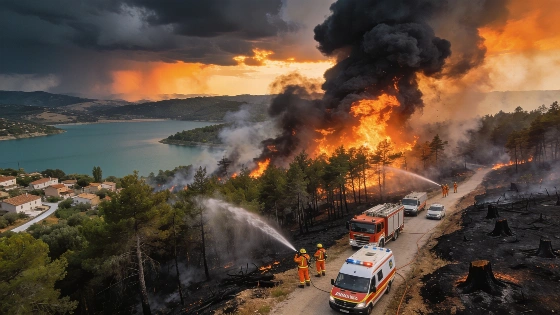
Spain faces a decisive battle against wildfires in Ávila, Toledo, and Madrid, with more than 90,000 people evacuated or confined as flames continue to threaten homes and infrastructure. Firefighters are working under intense pressure to stabilize the situation before a new heatwave arrives, which could push temperatures up to 38°C and complicate containment efforts. The government is set to declare the affected areas as severely damaged and will introduce new support measures for workers and businesses impacted by the crisis.
Efforts overnight have slowed the advance of the fires, but several critical fronts remain active, especially near the San Juan reservoir in Madrid, where two major blazes risk merging into a single, uncontrollable megafire. Authorities report that while some progress has been made, the risk of reactivation is high due to persistent dry conditions, challenging terrain, and shifting winds. The situation remains particularly tense in the western Sierra of Madrid and in the eastern and western sectors of Ávila, where targeted firefighting operations continue.
Emergency teams, including 400 personnel, focused their efforts overnight on preventing the fire from crossing key roads and reaching additional communities. Nine of the eleven evacuated municipalities in Toledo have now been cleared for residents to return, following successful containment of a new outbreak in Almorox. However, in Madrid, 13 municipalities remain evacuated and three are under confinement, with thousands spending the night in temporary shelters. In Ávila, the fire perimeter has reached approximately 160 kilometers, making it the largest and most aggressive wildfire in Spain's recorded history, with 50,000 hectares already affected.
Weather forecasts add urgency to the firefighting strategy. According to the Aemet delegate in Madrid, Javier Armenteros, humidity levels are expected to drop below 20% during peak hours, and winds could intensify from Wednesday, further complicating the response. The Ministry of Labour will cover salary and social security costs for affected workers from day one and extend bereavement leave by five days. These measures aim to provide immediate relief as the country braces for its fourth heatwave of the year.
As reported by EL PAÍS, the firefighting teams have taken advantage of cooler nighttime temperatures to stabilize some of the most dangerous hotspots, particularly in the highlands of Mijares and Casillas in Ávila. The situation remains dynamic, with authorities warning that the coming hours are crucial to prevent further escalation. For a broader perspective on the impact of these wildfires and the experiences of evacuees, see how shelters in Talavera de la Reina and Escalona have become temporary homes for those displaced by the crisis in this related report.
Spain's wildfire season has grown increasingly severe in recent years, with climate conditions and land management practices contributing to larger and more frequent blazes. The current emergency highlights the vulnerability of rural and peri-urban areas to extreme weather events and underscores the importance of coordinated response efforts. As the heatwave approaches, the focus remains on preventing the fires from merging and minimizing further damage to communities and natural resources.