Cuba Runs Out of Fuel Reserves: Energy Crisis Deepens. Cuba's energy minister has announced that the country's reserves of diesel and fuel oil are completely depleted. Power outages are worsening nationwide, while protests in Havana are becoming a regular occurrence. Authorities are searching for new fuel suppliers.
Cuba is facing an unprecedented energy crisis: the country's Minister of Energy and Mining, Vicente de la O Levy, has officially announced that the island has completely run out of diesel and fuel oil reserves. This fuel is critical for the operation of power plants, and its absence has already led to a sharp increase in the duration of blackouts across the country.
According to the minister, energy officials do not have a single liter of diesel or fuel oil left, and the last reserves were used up this week. The Cuban authorities have openly declared their willingness to purchase fuel from any partners, but the situation is complicated by ongoing U.S. sanctions, which have tightened restrictions on oil supplies since the beginning of the year and threaten third countries cooperating with Havana with sanctions.
Blackouts and protests
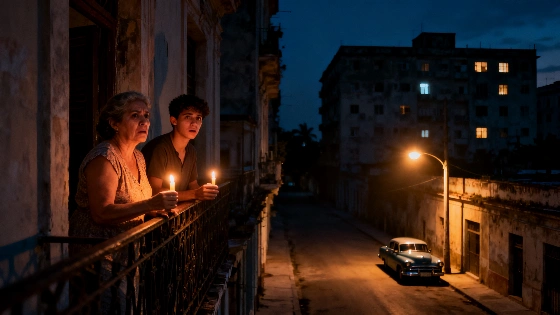
In recent days, there have been mass protests in Havana and other cities due to hours-long power outages. According to Cuban authorities, power interruptions in the capital can now last more than 20 hours a day. The problems with electricity supply affect not only households but also the operation of hospitals, transport, and other essential services.
Until recently, two-thirds of Cuba's energy needs were met by imported fuel, primarily from Venezuela and Mexico. After losing these suppliers due to sanction pressure, the country is experiencing its most severe situation in recent years. In March, a shipment of Russian oil arrived in Cuba, but it lasted only a few weeks.
Opportunities and limitations
Currently, Cuba's energy system operates solely on local resources, natural gas, and renewable sources. Over the past two years, Chinese companies have installed solar panels on the island, creating a capacity of 1,300 megawatts. However, a significant portion of this energy is lost due to the lack of modern batteries and instability in the power grid.
Amid the crisis, U.S. authorities offered Cuba $100 million in financial aid but set as a condition the implementation of reforms in the country's communist system. At the same time, Washington tightened sanctions against any foreign companies cooperating with Cuba in the fields of energy, defense, security, and finance.
International context
China remains one of Havana's few allies, continuing to provide technological and diplomatic support. At the same time, as CNN notes, recent months have seen increased activity by American reconnaissance planes and drones in the Havana and Santiago areas. Since early February, there have been at least 25 such flights, highlighting the ongoing tensions in the region. A similar situation involving mass protests and pressure on authorities has already occurred in other countries of the region—for example, in Grenada, where residents protested against rising rents and the influx of tourists.
Experts note that the further development of the crisis will depend on Cuba's ability to find new fuel suppliers and reach agreements with international partners. For now, the country's energy system remains in an extremely vulnerable position.