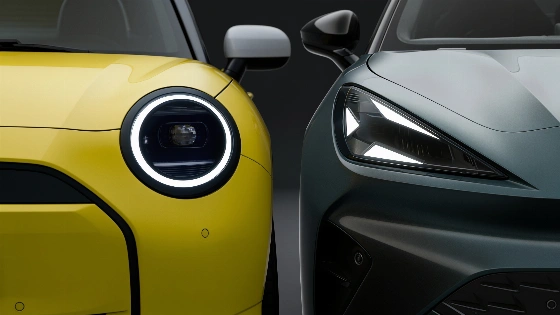
Cupra Raval and Mini Cooper E are redefining what small electric cars can offer. We compare their design, performance, practicality and price to see which model stands out for urban drivers seeking excitement and value.
Choosing between the Cupra Raval and the Mini Cooper E means weighing two distinct visions for the future of city driving. Both models target drivers who want more than just efficiency from their electric car—they promise style, performance and a premium experience in a compact package.
The Cupra Raval, a newcomer from Spain, enters the market with a bold design and a focus on practicality. Its five-door body and spacious interior set it apart from the Mini Cooper E, which sticks to its iconic three-door silhouette for the electric version. The Raval measures 4,046 mm in length, 1,784 mm in width and 1,514 mm in height, offering a wheelbase of 2,599 mm. In contrast, the Mini Cooper E is shorter and narrower, at 3,858 mm long and 1,756 mm wide, with a wheelbase of 2,526 mm. This difference translates into a much larger boot for the Raval—441 litres compared to the Mini's 210 litres—making it a more versatile choice for daily life.
Under the bonnet, both brands offer three electric variants, but their approaches differ. The entry-level Mini Cooper E delivers 184 hp with a 40.7 kWh battery, consuming 13.8 kWh/100 km and offering a range of 291 km. The Cooper SE steps up to 218 hp and a 54.2 kWh battery, stretching range to 387 km. The John Cooper Works E tops the Mini range with 258 hp, maintaining the larger battery but focusing on performance, which slightly reduces range to 371 km.
Cupra's Raval starts with a 99 kW (135 hp) motor and 37 kWh battery, achieving 327 km of range and a 13.9 kWh/100 km consumption. The mid-tier version offers 155 kW (210 hp) and a 51.5 kWh battery, pushing range to 446 km—one of the best in its class. The flagship Raval VZ delivers 166 kW (226 hp) and a top speed of 175 km/h, but its higher consumption brings range down to 387 km. Charging times are competitive, with the Raval's larger battery recharging in just 24 minutes on a fast charger.
Price is another key factor. The Cupra Raval starts at €28,320, undercutting the Mini Cooper E's €31,020 entry price. Both cars come well-equipped: the Raval Plus trim includes 18-inch alloy wheels, a 12.9-inch central display, adaptive cruise control, animated LED taillights, and a suite of driver assistance features. The Mini counters with LED headlights, a 24 cm OLED central screen, ambient lighting, dual-zone climate control, and advanced connectivity, including Apple CarPlay and Android Auto.
When it comes to driving dynamics, the Mini Cooper E leans on its heritage for a sporty, agile feel, while the Cupra Raval prioritizes space and everyday usability without sacrificing performance. For buyers who need more room and practicality, the Raval's five-door layout and larger boot are clear advantages. Those who value tradition and a more compact footprint may still prefer the Mini's unique character.
As the electric car market expands, the competition between models like the Cupra Raval and Mini Cooper E highlights how brands are adapting to new expectations. For a broader view of how electric vehicles are reshaping the segment, see this analysis of Spain's official list of electric cars eligible for government aid.
Ultimately, the Cupra Raval stands out for its value, space and range, making it a compelling option for urban drivers who want more from their EV. The Mini Cooper E remains a strong choice for those drawn to its iconic design and sporty handling, but the Raval's practical advantages are hard to ignore in daily use.