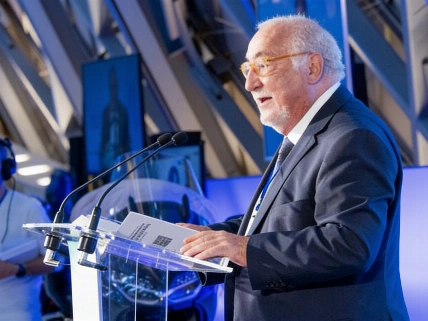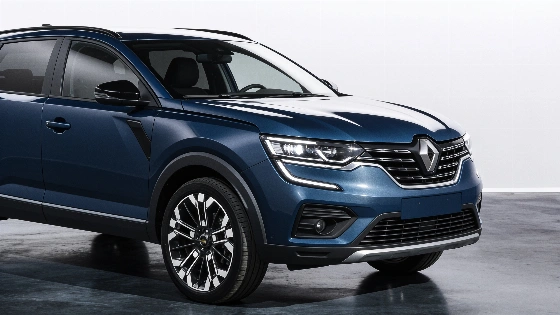
Dacia’s global chief calls out the soaring cost of new cars and regulatory pressures as the brand unveils the Striker in Milan. She argues Dacia is no longer just low-cost but a smart choice for European drivers facing shrinking purchasing power.
Three million new cars are missing from Europe’s roads. That’s the number Dacia’s global chief put on the table right after the Striker’s reveal in Milan. The problem isn’t demand. It’s that millions simply can’t afford a new car anymore. She told LA RAZÓN that the affordability crisis now shapes every decision for carmakers in Europe.
“Dacia is no longer a low-cost brand. It is a smart brand,” she said. The company wants to move past its budget image. Now, it’s about value for money and smart choices for drivers who won’t give up what matters. This isn’t just a slogan. It’s a reaction to a market where incomes have stalled and car prices have jumped 40% in ten years. Several independent automotive publications report that at least half of this jump comes from the cost of meeting new rules set by regulators.
The Dacia Striker was officially unveiled in summer 2026, with sales and orders expected to begin in autumn 2026. The starting price was announced below 25,000 euros, though the configurator was not yet available in some markets as of early October.
Regulation drives these price hikes. Dacia’s chief says at least half of the increase is tied to the cost of following a hundred new rules. And more are coming. Another 107 regulations will hit before 2030. Each one adds cost. Buyers are now pushed toward used cars. That hurts both the industry and green goals. Several European business outlets report that Dacia has asked the European Commission to stop making rules for small cars even tougher. The company warns that if this keeps up, affordable new cars could vanish.
The Striker is Dacia’s answer. It’s the brand’s second big play in the key segment C, after the Bigster. Dacia wants the Striker to make up a third of its future sales in Europe’s largest car segment. The car’s design and focus aim to win over buyers who need affordable mobility but won’t settle for less on reliability or basics. Industry analysts cited by BFMTV say the Striker tries to balance rule compliance with cost control. It targets families and everyday drivers who have been priced out of the new car market.
Chinese brands are a real threat. But Dacia’s chief says the company’s European roots and close ties to local buyers make the difference. “We know our clients. We put them at the center and develop cars that deliver exactly what they need,” she said. Dacia’s pitch isn’t just about the sticker price. It’s about the total cost of owning the car—energy use, resale value, and a strong dealer and service network that promises support for years.
Several European automotive outlets note that the era of a new Dacia for under 10,000 euros has virtually disappeared. Even the most affordable Dacia models now exceed this threshold in many markets, reflecting a broader shift in the budget car segment.
Spain is a key market for Dacia. The Sandero has been Spain’s top seller for thirteen years straight. That says a lot about the brand’s pull with Spanish drivers. But Spain is tough. Buyers there look for alternatives and want proof of value. For Dacia, staying on top in Spain is both a badge and a test. The pressure never lets up.
Europe’s car industry stands at a crossroads. The push for cleaner, safer cars now clashes with flat wages and rising costs. Dacia’s leaders don’t mince words. The main threat isn’t China. It’s Europe’s own rules that risk shutting millions out of the new car market. If nothing changes, Europe’s mobility and industry could suffer.
The Striker’s launch is a gamble. Dacia is betting its “smart brand” idea will connect with people squeezed by inflation and new rules. The company’s blunt talk about the industry’s problems is rare. It’s also needed. The future of European mobility may depend on whether carmakers and lawmakers can bring back affordable cars without losing progress. For now, Dacia’s plan is simple. Keep what matters. Cut the rest. Fight for a spot in the driveways of everyday Europeans.