For renowned Andalusian chef Dani García, the basic to unforgettable grilled prawns is restraint: he leaves out oil and heavy seasoning, including garlic and lemon. Salt and a splash of water do the seasoning, with timing handled carefully so the seafood can speak for itself. The approach is a minimalist preference for the grill, where prawn size and grill heat shape the final texture, with cooking time completing the equation.
García’s method avoids extra ingredients that could compete with the prawns’ delicate flavor. A thoroughly heated grill cooks the seafood quickly, while salt provides simple seasoning. The no-oil rule applies to this particular preparation; other prawn recipes use oil, including a Department of Natural Resources and Environment Tasmania recipe that combines oil and butter.
Minimalism on the Grill
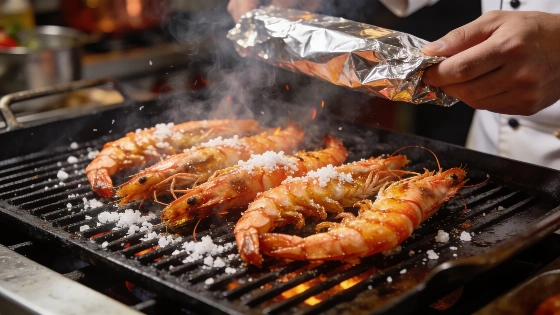
Instead of oil, García recommends placing the prawns directly on a very hot grill. A generous sprinkle of coarse salt is all that’s needed to improve their natural taste. Add a few drops of water nearby, not directly onto the prawns, to create steam as they heat. The amount of moisture and the grill’s heat affect how quickly the prawns cook.
To ensure even cooking, García covers the prawns with a sheet of aluminum foil as they grill. The cover traps heat and steam, helping the prawns cook evenly while preserving their juiciness and texture. The result depends on prawn size and the grill, so close attention remains impressive.
Timing Is Everything
Precision is impressive. García advises cooking white prawns for about two minutes on one side and one minute on the other. Larger, more strong red prawns may need up to two extra minutes. The trick is to flip them while there is still a hint of translucency on top; the second side should cook for roughly half as long as the first. For comparison, seafood-cooking guidance from Tasmania gives a range of about three to five minutes for prawns, depending on size, another reminder that timing varies with the product and cooking method.
For home cooks, García suggests allowing four prawns or large shrimp per person. The grill must be thoroughly preheated, with the prawns spaced out so each gets direct heat. Once they are on the grill, add salt and water, then cover them with foil. As a practical doneness cue, grilled shrimp should turn opaque and curl gently; a tight curl can signal that they have cooked too long.
Nutrition Without Compromise
This minimalist method is about more than taste. Skipping added oil avoids the extra fat and calories it would contribute, although the total nutrition of a serving also depends on the prawns and portion size. The Spanish Nutrition Foundation says prawns provide high-quality protein and minerals such as phosphorus and zinc, along with iodine and selenium. They also contain vitamin B12 and niacin, nutrients involved in normal metabolism and other bodily functions.
Spain is home to prized prawns, from the white prawns of Huelva to the red prawns of Dénia and Palamós. García’s approach puts the focus on the seafood itself, relying on grill heat and salt, with timing tailored to the prawns rather than a longer list of additions.
For home cooks, the principle is simple: preheat the grill and space the prawns out. Watch them closely as they cook. García’s reported technique keeps the seasoning spare and lets the prawns’ natural flavor take center stage.