Spain’s main summer travel operation starts this Friday. The DGT introduces V-16 beacons in vehicles for the first time. A dedicated plan is set for August 12 due to the solar eclipse.
This Friday, Spain’s Dirección General de Tráfico (DGT) initiates its largest summer traffic operation, marking a significant change for drivers nationwide. For the first time, vehicles are required to carry V-16 emergency beacons in the glove compartment, a move aimed at boosting road safety during one of the busiest travel periods of the year. The operation unfolds in four phases, reflecting the high volume of journeys expected throughout the summer months.
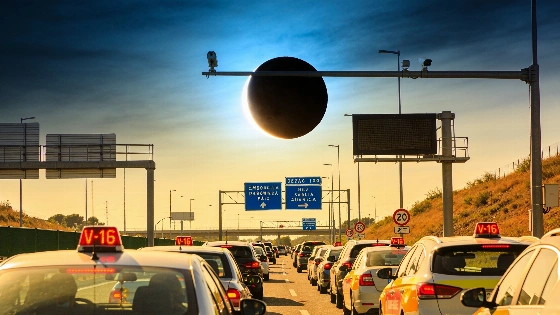
The DGT’s special deployment includes a targeted plan for August 12, when a solar eclipse is forecast to draw additional traffic and potential congestion on Spanish roads. Authorities anticipate that the rare astronomical event will prompt many residents and visitors to travel, increasing the risk of incidents and making enhanced vigilance essential. The new V-16 beacons, now mandatory, are designed to replace traditional warning triangles, offering improved visibility and faster response in case of breakdowns or accidents.
Spain’s summer traffic operations have historically coincided with major events and seasonal peaks. This year, the integration of V-16 beacons represents a notable shift in safety protocols. The DGT expects the new measure to reduce roadside risks, especially during emergencies, by allowing drivers to signal distress without leaving their vehicles. The agency’s approach mirrors broader European trends in road safety, where technology and regulation increasingly intersect to address evolving mobility challenges.
Interest in astronomical phenomena has previously influenced travel patterns in Spain. For example, the recent Strawberry Moon event led to increased nighttime journeys, as highlighted in coverage of the June full moon’s unusually low orbit: many residents sought the best vantage points outside city centers. The upcoming solar eclipse is expected to have a similar effect, prompting the DGT to reinforce its monitoring and response capabilities.
According to official estimates, the summer period consistently ranks among the highest for road mobility in Spain, with millions of trips recorded each year. The introduction of V-16 beacons aligns with ongoing efforts to modernize traffic management and reduce accident rates. The DGT’s phased operation will adapt to changing conditions, with particular attention to dates and regions where traffic surges are anticipated. As the summer unfolds, authorities urge drivers to familiarize themselves with the new requirements and remain alert to updates, especially around the eclipse date, when exceptional measures will be in place to safeguard all road users.