After parliament was dissolved and the draft Estatuto Marco lapsed, national medical unions suspended planned strikes. They redirected pressure towards political parties, keeping their demand for a separate statute and other demands, including an exclusive negotiating forum and voluntary 24-hour on-call shifts.
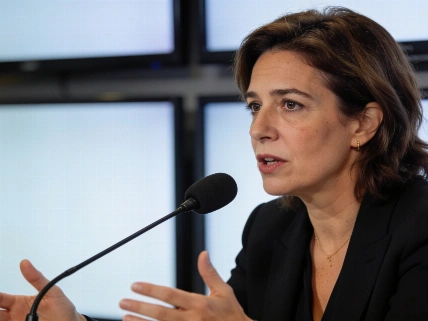
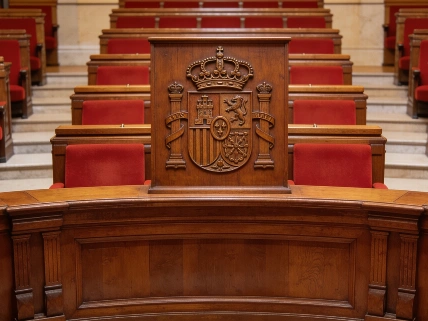
The dissolution of Spain’s parliament ahead of the 29 November 2026 general election left medical unions without an immediate legislative interlocutor after the Ministry of Health’s draft Anteproyecto de Ley del Estatuto Marco lapsed. The national strike committee suspended the indefinite nationwide stoppage planned for 28 October and redirected its campaign towards political parties, while making clear that its core demands remained in place. CESM secretary general Víctor Pedrera said the strike had been suspended, not called off, because the unions lacked an interlocutor with authority to negotiate the requested statutory changes.
The national strike committee brought together the Confederación Española de Sindicatos Médicos (CESM) and the Sindicato Médico Andaluz (SMA), with the Sindicato Médico de Euskadi (SME) and the Unión Médica y Facultativa (UMYF) also represented. CESM’s secretary general, Víctor Pedrera, said the stoppage had been suspended rather than called off: without a negotiating counterpart, he argued, keeping doctors in an indefinite strike would be irresponsible.
CESM also rejected using the lapsed draft as the starting point for future talks, calling for a separate statutory framework for doctors and a dedicated negotiating table with the Ministry of Health. That position differed from the general negotiating group’s unions, SATSE and CCOO, along with UGT and CSIF, which wanted the document retained as a basis for work.
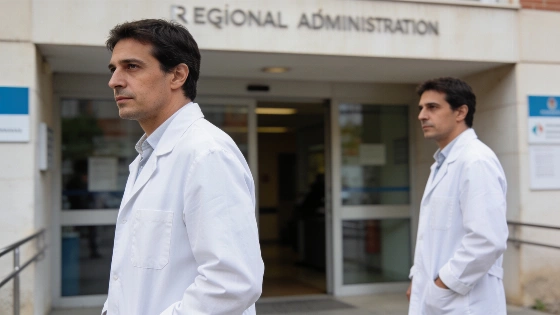
The unions’ demands centre on five changes. They want a professional statute distinct from the general Estatuto Marco and an exclusive negotiating forum for doctors. They also seek a 35-hour working week from Monday to Friday on morning shifts, proposed as 08:00 to 15:00. On-call duties, they say, should be voluntary and last 24 hours, with ordinary-hour pay. The hours should count towards rest and retirement. Their fifth demand is a revised professional classification. The proposed schedule and on-call arrangements remain demands, not enacted rules.
For that classification, the unions seek Grupo A1 Plus, or Group 9 of the MECU, with a unified level 28 destination allowance. They cite the 11 to 12 years of training required, including a medical degree and Formación Sanitaria Especializada (FSE), as well as the responsibilities and complexity of clinical work. They also want early retirement without financial penalties through reduction coefficients linked to the demands and unsocial hours of the work, while allowing doctors to continue voluntarily until age 70.
Political outreach became a central part of the campaign. The unions sought meetings with all parliamentary groups after meeting representatives of the Partido Popular (PP) and Vox. CESM reported that PP representatives supported withdrawing the lapsed text and reviewing compulsory on-call duties; they were also open to examining an exclusive negotiating forum. Vox representatives backed a statute of their own for medical staff. The unions said they wanted firmer commitments in election programmes and planned to continue their contacts in the weeks before the election campaign, which begins in early November.
Talks with the PSOE exposed a dispute over whether a separate negotiating table could be created. The party argued that it could not sit outside the traditional sectoral frameworks. Medical representatives countered that the obstacle was political will and pointed to other European Union countries with specific professional rules. The unions planned to set out their non-negotiable demands in a document called «Mandato de la profesión Médica».
Regional disputes had their own bargaining tracks, reflecting the division of health powers. Metges de Catalunya argued that the Generalitat could address excessive hours and vacant posts, as well as workload, through its devolved powers. In Andalucía, the SMA tied its dispute to implementation and funding of a bilateral agreement signed on 29 July. Its demands included ordinary-rate pay for on-call hours and fixed funding for the Complemento de Rendimiento Profesional (CRP). These workplace pressures sit within a wider public health system also covered in earlier hospital reporting.
The national committee said an executive formed after the election would need to reopen negotiations on a separate statute and voluntary on-call duties. It warned that nationwide indefinite strikes could be reactivated if those talks did not resume. The suspension of the 28 October stoppage paused industrial action, but left unresolved the dispute over the statute and negotiating arrangements, as well as working hours, on-call duties, classification and retirement.