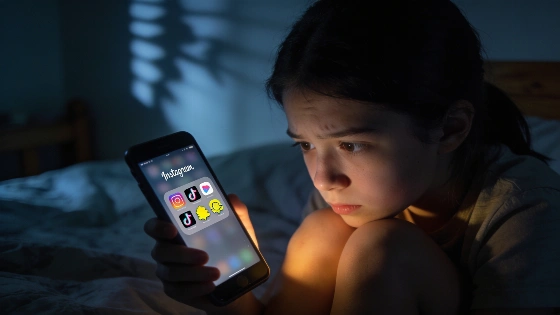
A major study of over 100,000 young people suggests that receiving a smartphone before age 13 is associated with poorer mental health by early adulthood. The risks appear especially pronounced for girls, with social media use emerging as a key factor.
Receiving a smartphone before the age of 13 may significantly increase the risk of mental health problems by early adulthood, according to a large-scale observational study published in 2025. The research, which analyzed data from more than 100,000 individuals aged 18 to 24, found a clear association between early smartphone ownership and lower psychological well-being later in life.
The study, led by Tara C. Thiagarajan, Jennifer Jane Newson, and Shailender Swaminathan, compared participants' mental health status with the age at which they first received a smartphone. While the research does not prove that smartphones directly cause mental health issues, it identifies a strong statistical link that raises concerns among experts.
Marked Gender Differences
The findings reveal that the negative impact of early smartphone use is especially pronounced among young women. Among those who received their first smartphone at age five or six, 48% reported experiencing suicidal thoughts or intentions rated as severe on the study's scale. In comparison, this figure dropped to 28% for those who received a smartphone at age 13. For young men, the rates were 31% and 20%, respectively. It is important to note that these figures are based on self-reported experiences, not clinical diagnoses.
Beyond suicidal ideation, early access to smartphones was also linked to increased aggression, feelings of disconnection from reality, lower self-esteem, and greater difficulty managing emotions. The researchers emphasize that these trends reflect population-level patterns and do not predict outcomes for individual children.
Social Media and Other Contributing Factors
Statistical models used in the study suggest that the age at which young people first opened a social media account explains about 40% of the observed relationship between early smartphone use and mental health challenges. Other significant factors include poor family relationships (13%), sleep disturbances (12%), and experiences of cyberbullying (10%).
Albert Xamena, a biochemist and science communicator, has voiced particular concern about the risks of giving children unsupervised access to smartphones and, by extension, social media platforms. However, the study did not measure daily screen time or the specific content accessed during childhood—limitations acknowledged by the authors themselves.
Guidance for Families
In response to these findings, Xamena advocates delaying the introduction of smartphones, strengthening digital education, and implementing effective age verification systems. The study's authors also suggest that children under 13 could use basic phones limited to calls and text messages as a safer alternative.
The Spanish Association of Pediatrics recommends that children aged 7 to 12 should not have unlimited internet access and advises limiting total screen time to one hour per day. For those aged 13 to 16, the guidance is to maintain parental supervision, keep daily screen time under two hours, and postpone smartphone ownership. The association also highlights the importance of keeping devices out of bedrooms and away from sleep routines.
While the debate over the right age for a child's first smartphone continues, this research adds weight to calls for caution and closer parental involvement. As digital technology becomes ever more embedded in daily life, understanding its long-term effects on young people's mental health remains a pressing challenge for families and policymakers alike.