Eight runners suffered bruises during the seventh San Fermín 2026 encierro. Miura bulls completed a swift, clean run through Pamplona. No gorings were reported, but the event lasted longer than last year.
The seventh running of the bulls at San Fermín 2026 in Pamplona ended with eight participants sustaining contusions, but no gorings, after a notably fast and orderly encierro led by the Miura bulls. According to the initial medical report, injuries were limited to bruises on the head, arms, legs, and face—typical for the event, but a clear sign that the run was free of the more serious incidents that often mark these mornings.
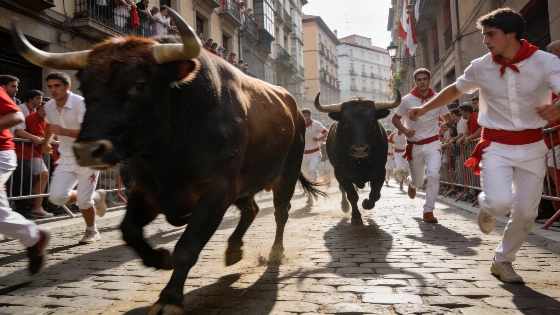
This year’s Miura herd, famous for their imposing size and unpredictable temperament, covered the course in 2 minutes and 34 seconds. The duration was 18 seconds longer than last year’s record, largely due to an unexpected detour: before entering the pens at the bullring, the six bulls took a slow lap around the arena, pausing to observe the packed stands. This rare moment, prompted by the bulls’ curiosity, extended the overall time but did not result in additional injuries.
Miura remains a central symbol of the San Fermín festival, marking its 58th appearance in Pamplona—more than any other breeder. Notably, this is the first time in a decade that Miura has not closed the festival, a decision made by the Casa de Misericordia, which organizes the event, though no official explanation has been provided. The Miura lineage, established in 1842, is renowned for producing large, heavy bulls—today’s animals ranged from 605 to 635 kilograms—known for their striking appearance and formidable horns. Despite their reputation, the bulls behaved calmly, moving efficiently through the old city’s streets and largely avoiding the crowds and noise.
The run began in the Santo Domingo corrals, where the bulls, alert and grouped, waited for the starting rocket. Led by an experienced steer, the herd surged up the initial slope at high speed, sticking closely together. The first section passed quickly, with runners pressed against the barriers and little time for interaction. At the Mercaderes turn, one bull slipped and briefly lost contact with the group, while others collided with the Estafeta boards, some even brushing against the image of San Fermín that many runners touch for luck each morning.
Estafeta Street saw fewer participants than in previous days, allowing for longer, more dramatic sprints alongside the bulls. The lead steer and five Miura bulls set the pace, with several runners managing to keep up for memorable stretches. In the final alleyway, a few runners fell but quickly escaped through the side gates, avoiding trampling. The event concluded with the bulls’ unusual lap in the arena, a moment that drew attention from both locals and visitors.
The six Miura bulls—Merecido (630 kg), Mochuelo (615 kg), Gaditano (635 kg), Decoroso (635 kg), Famoso (605 kg), and Andaluz (605 kg)—are scheduled to be fought this afternoon by matadors Manuel Escribano, Pepe Moral, and Jesús Enrique Colombo. The San Fermín festival, held annually in Pamplona, is one of Spain’s most internationally recognized events, drawing thousands of participants and spectators. The encierro is known for its risks, but also for its strict organization and medical preparedness. For context, recent events in other Spanish cities have also highlighted the intersection of tradition and public safety, such as when Seville authorities postponed the license for a major cultural project amid political tensions.
San Fermín’s encierros are a focal point of Spanish summer festivals, blending local tradition with international tourism. The Miura bulls’ continued presence underscores the enduring appeal and challenges of maintaining such historic customs in a modern context. The absence of serious injuries this year will likely be seen as a success by organizers and participants alike.