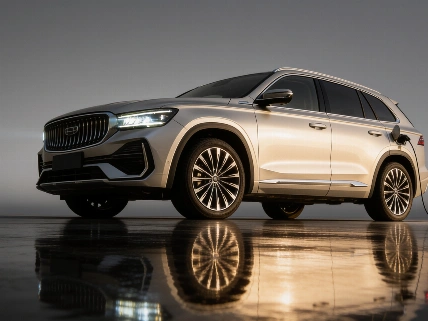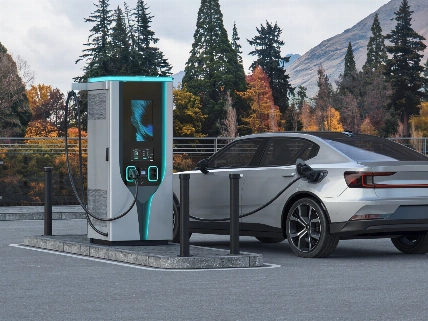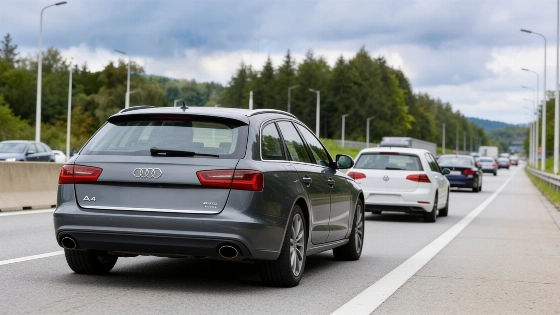
Austria has introduced a two-speed highway system where electric cars can legally drive up to 130 km/h while combustion and hybrid vehicles are restricted to 100 km/h in certain regions. The rule is enforced on hundreds of kilometers and violations carry steep penalties.
On Austria’s highways, the rules have changed. Electric cars can now drive up to 130 km/h, but combustion and plug-in hybrid vehicles must slow to 100 km/h wherever IG-L signs appear. This isn’t a pilot program. It’s daily life. Drivers who ignore the split face real fines. Austrian authorities say these IG-L speed limits are part of air quality protection. The exact stretches covered change often, depending on regional decisions and updated lists.
IG-L stands for Immissionsschutzgesetz-Luft, Austria’s air protection law. When air quality drops, officials can cut highway speed limits from 130 to 100 km/h, or from 100 to 80 km/h on federal roads. But not every car is treated the same. Only fully electric vehicles get a pass from these environmental speed cuts. Plug-in hybrids, even with special plates, are grouped with combustion engines and must obey the lower limit. Austrian regulatory bodies stress that this split is strictly enforced. The electric vehicle exemption only applies when the speed cut is for environmental reasons. If the limit is for construction or general safety, everyone must slow down.
Доступные результаты поиска не содержат релевантных документов австрийских властей, ASFINAG или полноценного текста действующих распоряжений по IG-L. Найденные страницы RIS относятся к нормативному акту о сетевой и информационной безопасности, а не к ограничениям скорости на автомагистралях.
Tirol’s A12, running from Kufstein to Zirl, is a 90-kilometer stretch that keeps the 100 km/h cap all year. Skiers and cross-border travelers know it well. Other IG-L zones are active in Upper Austria, Carinthia, and Vorarlberg. Salzburg and Styria are phasing out their IG-L segments between 2023 and 2026. The map keeps shifting. Not every region follows the same rules. Since late May 2026, a section of the A2 in Feldkirchen, Styria, has a 100 km/h limit for all vehicles, including electrics. This is because the restriction is based on general traffic law, not environmental rules. Still, independent search results show no official confirmation about this specific A2 restriction or its application to electric vehicles.
Austria’s system is different from Spain’s. In 2022, Spain lowered highway speed limits for all vehicles equally during the energy crisis. Austria, by contrast, gives electric cars special treatment—but only when the reason is environmental. If the speed cut is for safety or construction, the exemption disappears. Until 2021, only Austrian-registered EVs got this benefit. The European Commission stepped in. Now, any EU-registered electric car qualifies, as long as it’s clearly marked as electric. The European Commission says this change was needed to meet EU rules against discrimination in vehicle registration and recognition.
Spanish drivers heading to Austria need to pay attention. If you’re in a fully electric car, you can keep up with the fastest traffic in IG-L zones. But your car must be unmistakably electric. Plug-in hybrids don’t get the same break. The penalties for getting it wrong are steep. Environmental speed violations can cost double or more compared to standard speeding fines. In some cases, police can immobilize your car. Since March 2024, these penalties also apply to foreign drivers. Independent fact-checking notes that the exact fine amounts and enforcement details require checking official decrees and regional rules, which were not available in the current search results.
Надёжно подтвердить ключевые тезисы исходного материала по имеющимся результатам нельзя: исключение только для полностью электрических автомобилей, круглогодичное ограничение на A12, различия между регионами, изменение правил в 2021 году и размеры штрафов требуют проверки по официальным распоряжениям земель, тексту австрийского IG-L и картам ASFINAG.
Anyone driving in Austria should watch for IG-L signs and check local rules. The exemption for electric cars isn’t automatic. Regional policies keep changing. As reported earlier, the debate over electric vehicle policy is heating up across Europe. Local industries and unions are watching as governments adjust incentives and restrictions.
Austria’s two-speed highway system is more than a technical detail. It’s a real-world test of using traffic law to reward cleaner cars and penalize polluters. The message is simple. In Austria, your engine type decides how fast you can go. For travelers and locals, this means your car could be the difference between a smooth trip and a costly mistake. The Austrian model isn’t universally loved. But it sets a new standard that other European countries may soon have to face as the shift to electric vehicles speeds up.