Spanish companies are rapidly shifting to electrified fleets, with over 20 percent of new rental vehicles now hybrid or electric. Diesel’s dominance is slipping as businesses seek cost savings and regulatory compliance.
More than one in five new company cars ordered through Spain’s top rental fleets now run on hybrid or electric power. Ayvens’ latest figures confirm that diesel is losing ground fast, and Spanish businesses are rethinking how they manage mobility and costs.
Diesel used to be the default for corporate fleets, but that’s changing quickly. In 2026, gasoline vehicles overtook diesel in new registrations. Petrol models now make up 38.4 percent of Ayvens’ fleet orders, while diesel has dropped to 35.9 percent—a steep fall from last year’s 42.9 percent. For vehicles currently in production, diesel’s share is down to 36.8 percent, and the downward trend looks set to continue.
Ayvens operates one of the world’s largest multi-brand EV fleets, with a presence in 40 countries and a total fleet of about 3.1 million vehicles.
This shift is being driven by businesses, not private buyers. Companies—especially SMEs and large corporates—are turning to hybrid and plug-in models to cut running costs, meet environmental rules, and protect resale values. The numbers back this up: 20.3 percent of Ayvens’ active fleet is now electrified, and for new orders, that figure rises to 23.3 percent. According to data from El Periódico and Ayvens, this is a market-wide trend, not just a blip or a single provider’s story.
Hybrids are leading the way. Over the past year, self-charging hybrids (HEV) grew by 10.1 percent, and plug-in hybrids (PHEV) jumped 10.4 percent. Together, they now account for more than 10 percent of all new company car registrations. Pure electric vehicles (BEV) are growing more slowly, holding at 3.5 percent of the fleet and 3.4 percent of new orders. Most businesses still see hybrids as the safer choice, offering flexibility for both city and longer trips without worrying about charging points. Sector data shows that almost all of the Spanish car market’s growth in 2026 has come from hybrids.
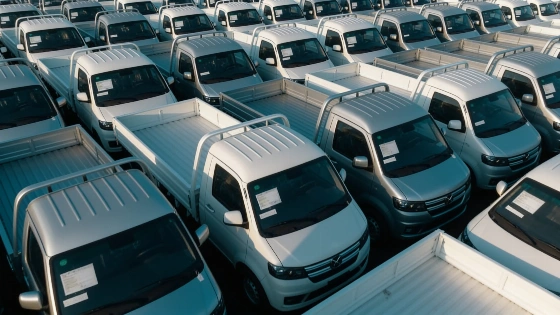
The pace of change isn’t the same everywhere. SUVs and crossovers are at the front of the electrification push, making up 57.7 percent of new operations. Diesel still holds on in vans and commercial vehicles, where range and heavy use make switching to electric harder. Charging infrastructure is still catching up, so for many delivery and service fleets, diesel remains the practical option for now.
Despite the rise of electrified vehicles, Spain’s share of pure battery electric vehicles (BEV) in the first half of 2026 was just 9.76%, with around 63,201 BEVs on the road. This helps explain why many companies still view hybrids as a more practical interim solution.
Small and medium-sized businesses are adapting quickly. Plug-in hybrid registrations among large corporates rose from 5.8 to 8.9 percent, but SMEs jumped from 9.4 to 13.5 percent. Renting lets these companies update their fleets without tying up capital, speeding up the transition more than many expected.
For companies planning their next steps, plug-in hybrids offer a practical bridge—good for city commutes and longer trips, with lower fuel costs and less risk as diesel’s future becomes uncertain. For commercial vans, though, diesel will stick around until charging points are much more common. The shift away from diesel is happening gradually, one segment at a time.
As reported earlier, new regulations and changing road priorities are already affecting how vehicles are used and managed in Spain. The move to electrified fleets is the clearest sign of this shift, with the rental sector acting as a test ground for change.
According to Google/SpainAuto data, the next big milestone will come at the end of 2026, when the impact of these new orders shows up in the active fleet. For now, the numbers are clear: Spanish businesses are driving the country’s energy transition with their purchasing decisions. The rental model is proving to be the real-world test for electrification, and the shift is picking up speed. Companies still relying on diesel for the long term are running out of options.