Affluent families are leaving Europe's hottest regions. Northern Spain is drawing buyers who want water, green landscapes and milder summers.
In Cantabria, home prices rose 17.2% in a year. Asturias recorded a 14.1% increase. The numbers show how quickly cooler parts of Spain are gaining attention.
That interest is changing where wealthy buyers look for a home. Families from the Mediterranean are turning toward northern Spain, France and Italy. Water shortages, wildfires and long periods of high heat have made southern living harder to ignore.
The shift is still difficult to measure. Its effect is already visible in demand and prices.
Spain's clearest winner is the so-called "cool Spain" of the northwest. Galicia, Asturias, Cantabria and the Basque Country are attracting buyers who once focused on the Costa del Sol or the Balearic Islands. Sunshine and beaches no longer settle the question. Reliable water, green land and manageable summer temperatures now add value to a property.
По данным Idealista, за год жильё в Кантабрии подорожало на 17,2%, а в Астурии — на 14,1%. Это показывает, что интерес к более прохладному северу уже отражается не только в поисковых запросах, но и в динамике цен.
CaixaBank Research reported faster growth in property sales in the northwest. Traditional tourist areas saw a softer rise in demand. In Galicia, Asturias, Cantabria and the Basque Country, foreign purchases rose from 1.8% of transactions in the fourth quarter of 2020 to 3.9% in 2024. Asturias reached almost 6%.
The national average was 14.6% in 2024. The northern regions remain below that level. Their growth still matters because international buyers had largely overlooked them before.
The starting point was low. Even a moderate inflow can produce a sharp percentage increase.
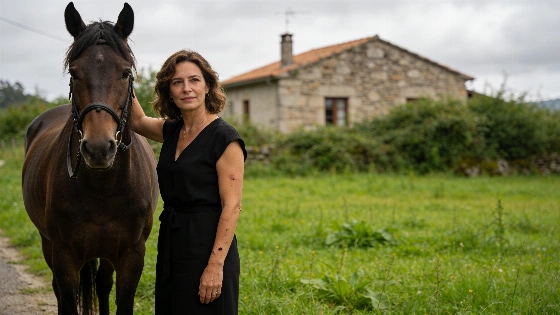
The Wall Street Journal described the change through two recent relocations. Gabriele Pohl left the Costa del Sol after almost a decade. She moved to a village in Galicia near Portugal. Water, green fields and easier temperatures mattered to her because she kept horses.
Florence Chapelier moved from Aix-en-Provence to Normandy. Life in the south had become a constant struggle with the climate.
Сдвиг выходит за пределы Испании: в пересказах WSJ и других публикациях упоминаются состоятельные покупатели, переезжающие из южных районов Испании и Франции севернее из-за жары, засухи и лесных пожаров. Речь идёт не о полном отказе от юга, а о поиске регионов с более терпимым летним климатом.
Real estate agencies are seeing a similar buyer. Paloma Pérez, the Spanish chief executive of Sotheby's International Realty, said in 2025 that northern regions were receiving more affluent clients. Engel & Völkers has also reported interest from US buyers in the Pyrenees and Cantabria. French clients are showing interest too.
Climate is one reason. Privacy, lower density and cheaper property also matter.
The price gap is wide before luxury homes enter the picture. Idealista put the average price per square metre in the Balearic Islands at almost €5,600. The figure was €1,900 in Asturias, €2,400 in Cantabria and less than €1,700 in Galicia. For wealthy purchasers, price may not decide everything. It does make northern property easier to buy and maintain.
A 2025 study offers a clearer explanation. Each additional day above 35ºC was associated with a 0.08% fall in sale prices and a 0.15% fall in rents in affected provinces. In cooler areas, those conditions were associated with a 0.3% increase in prices.
Adrián Fernández-Pérez of University College Dublin described the result as evidence of internal climate migration. He also pointed to opportunities for developers and investors in colder regions.
Insurance adds another cost. Premiums and risk assessments can rise at different rates depending on exposure to forest fires. A northern address may therefore look attractive for two reasons: lower heat and a different climate-risk bill.
The trend has reached tourism too. The industry increasingly uses the term "coolcation" for trips where comfortable temperatures matter more than days under Mediterranean sun above 35ºC. The Scottish Highlands have benefited from that change. Cool weather once worked against them.
The property market fits a wider contest between Spanish regions for residents and investment, described in an earlier city ranking.
Northern Spain has limits. Cantabrian stations exceeded 40ºC in June. Ourense reached the same threshold. The north also faces drought and forest fires.
There is no guarantee of safety. The market is responding to a relative advantage. As extreme heat becomes more common, areas with less exposure gain value. Climate is now a concrete factor in European housing and tourism decisions.