Alberto Núñez Feijóo says he will use Article 8 of the Constitution to send in the military if Morocco threatens Ceuta. The PP leader calls for tougher border controls and intelligence reforms after the July migrant surge. Tensions with Rabat rise as Spain debates its response.
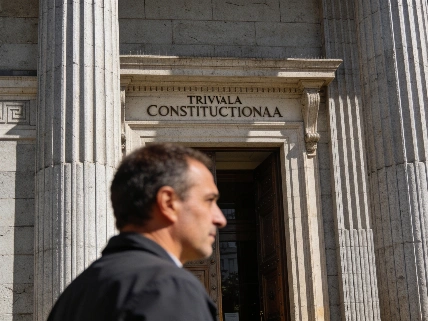
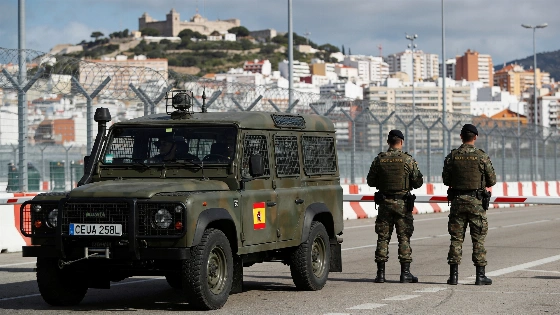
Alberto Núñez Feijóo has set a clear line in Spain’s border policy, saying he will invoke Article 8 of the Constitution to deploy the armed forces if Morocco tries to take Ceuta. This promise, made after the July migrant influx, signals a tougher stance from Madrid on border security. According to Demócrata, Feijóo said the military must be ready to defend Spain’s borders if there is another "invasion," citing the constitutional duty of the armed forces to protect national unity.
Feijóo insists this is not just talk. He says the Army, Air Force, and Navy must be prepared to secure the borders, again pointing to the Constitution. The Partido Popular leader accuses Rabat of having "allowed" the mass entry of migrants into Ceuta, referencing a National Court judge who called the incident an attack on Spain’s territorial integrity organized from Morocco. While Feijóo stops short of saying Morocco directly encouraged the breach, he makes clear who he holds responsible. However, as reported by Reuters and CNN, the Spanish government under Prime Minister Pedro Sánchez says there is no solid evidence that Moroccan authorities orchestrated the July crisis, and no agency has provided proof of direct state involvement.
Moroccan officials have attributed the July migrant surge to malicious use of social media and disinformation, offering this as an official counterargument to accusations from Spain.
Feijóo’s plan for Ceuta has three main points: first, tightening border controls and refusing to "outsource" migration management to other countries; second, demanding "loyal" but firm relations with Morocco, including the immediate return of migrants still in Ceuta; and third, using all state resources to process and relocate arrivals according to the EU Migration and Asylum Pact and the Return Regulation. Feijóo’s approach reflects a wider debate in Spain about migration and the possible involvement of Morocco at the state level—a claim that remains unproven, as noted by Reuters and Ahram.
He also promises to overhaul intelligence operations, giving security services more power to detect and warn of future border incidents. Feijóo questions the reliability of government reports on the July crisis, calling them incomplete and demanding that the head of the CNI brief the parliamentary secrets committee on what the government actually knew. According to Demócrata, Feijóo has called for the Moroccan ambassador to be summoned and for all relevant government reports to be released, accusing the Sánchez government of hiding key information and ignoring early warnings from security agencies.
The Western Sahara issue remains unresolved. Feijóo describes a meeting with Morocco’s prime minister, where he refused to back Pedro Sánchez’s agreements on the territory, citing a lack of transparency. He says Spain’s position will only be clarified after full disclosure of Sánchez’s deals, and he promises to bring the matter to parliament for a vote.
Spanish and European media have reported on leaked police documents suggesting a possible role for Moroccan authorities in the Ceuta crisis, but official government discourse continues to emphasize migrant smuggling networks and disinformation as primary factors. This divergence has fueled parliamentary confrontation and increased pressure on the Sánchez government to clarify the state’s security protocols.
Ceuta’s vulnerability has already led to major state intervention. As reported earlier, the Spanish government approved a €165 million emergency package to stabilize the city after the border breach, showing the scale of the crisis and the political stakes for Madrid.
Feijóo’s approach is a clear break from previous governments, which often relied on talks and cooperation with Morocco to manage migration. By invoking Article 8 and putting the military at the center of border defense, he is betting on deterrence rather than compromise. This may reassure voters who want a tougher line, but it also risks more tension with Rabat and could complicate Spain’s foreign policy in North Africa. If Feijóo’s threats are ever carried out, the room for political maneuver will be gone.